


What Florida Homeowners Should Know Before the Adjuster Knocks
Key Takeaways: Florida homeowners should watch for seven recurring adjuster tactics after a storm: rushed inspections that miss damage, quiet downward edits to the field adjuster’s report, delay and unreturned communications, verbal or vague denials, misstatements about policy coverage, fast low offers with pressure to accept, and the assumption you won’t request the claim file. Florida statutes address each, including Fla. Stat. § 626.9541(1)(i)3 on unfair claim settlement practices, § 627.70131 on communication, investigation, and recordkeeping duties, and § 627.70152 on presuit notice and insurer response timelines. Deadlines matter just as much as tactics: under Fla. Stat. § 627.70132(2), for losses covered by policies issued on or after December 16, 2022, initial and reopened claims require notice within one year of the date of loss and supplemental claims within 18 months, with the hurricane landfall date generally controlling rather than the date you discovered damage. Insurers also generally may not cancel or nonrenew residential property policies for 90 days after repairs are completed following a hurricane or wind loss under § 627.4133(2)(e), subject to that statute’s exceptions. Bad faith claims generally require an adverse adjudication establishing breach of contract first, under Fla. Stat. § 624.1551. Among the most practical protections: documenting every inspection, requesting written explanations for denials and reductions, requesting the adjuster log, and tracking your filing deadlines.
After a hurricane, tropical storm, or hail event, the first person your insurer sends to your property is rarely neutral in practice. Company adjusters work for the carrier, and their estimates often shape whether you receive a full storm damage payout or a fraction of what repairs actually cost. Florida law imposes real duties on insurers and adjusters, and recognizing when those duties may be bent can make a real difference between a resolved claim and a prolonged dispute. The seven patterns below are the ones Florida homeowners report most often, along with the statutes that may give you leverage.
At Kuhn Raslavich, P.A., we represent policyholders, never carriers. If your storm claim has been delayed, underpaid, or denied, call 877-352-7767 or contact us now to discuss your options.
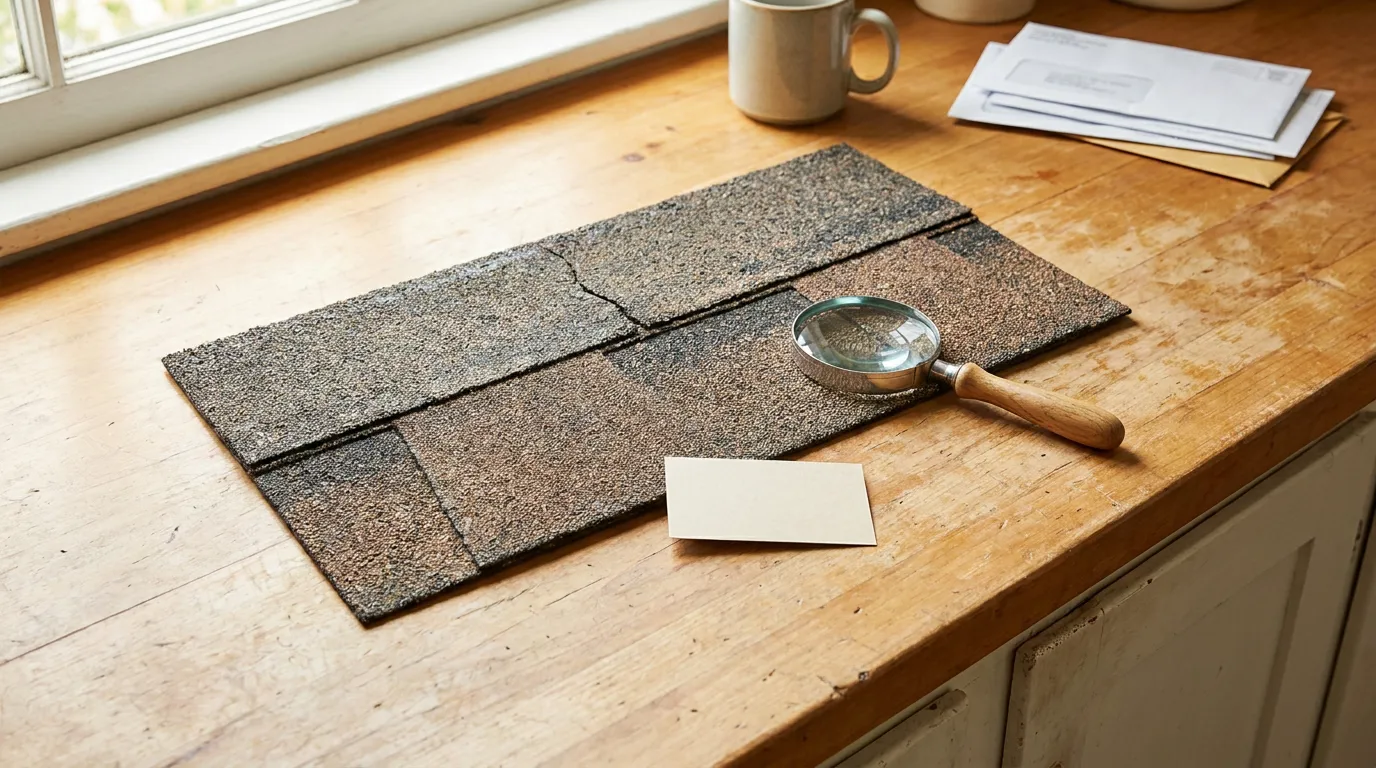
Tactic 1: The Rushed Inspection That Misses Half the Damage
A twenty-minute walkthrough after a major hurricane may be a red flag rather than efficiency. Florida’s Unfair Insurance Trade Practices Act prohibits, when committed as a general business practice, “[f]ailing to adopt and implement standards for the proper investigation of claims” and “[d]enying claims without conducting reasonable investigations” under Fla. Stat. § 626.9541(1)(i)3. That statute is enforced primarily by state regulators; a policyholder’s civil remedy generally runs through Fla. Stat. § 624.155, which has its own notice and cure requirements. Adjusters who skip attic spaces, decline to walk the roof, or photograph only one elevation may generate an estimate that cannot support a full evaluation of the loss.
Homeowners generally benefit from documenting the inspection themselves: photographing the same areas, noting how long the adjuster stayed, and writing down what was and was not examined. Whether an inspection falls short is fact-dependent, and courts may weigh the scope of the investigation alongside the available evidence.
Tactic 2: Quiet Edits to the Adjuster’s Report
Field adjusters sometimes write fair estimates that get reduced before anyone shows them to you. Florida law prohibits altering an adjuster’s report without “[p]roviding a detailed explanation as to why any change that has the effect of reducing the estimate of the loss was made,” again under Fla. Stat. § 626.9541(1)(i)3, applicable where the conduct occurs as a general business practice. This framework sits within Florida’s insurance trade practices statutes, which govern licensed adjuster conduct statewide.
This is one reason internal documentation matters. If the number you receive is dramatically lower than the damage in front of you, the explanation may live in the file rather than the letter.
💡 Pro Tip: Ask in writing whether your estimate differs from the field adjuster’s original report, and request the written explanation for any reduction.
Tactic 3: Silence, Delay, and the Vanishing Adjuster
Delay can function as a tactic because it may cost the insurer little while costing you a great deal. Fla. Stat. § 627.70131 requires insurers to acknowledge communications and start investigating, generally within 7 calendar days of receipt and 7 days after proof-of-loss statements, while § 626.9541(1)(i)3 separately treats “[f]ailing to acknowledge and act promptly upon communications” as an unfair practice. A related duty generally requires insurers to pay or deny a claim within 60 days after notice, subject to tolling and an exception where delay is caused by factors beyond the insurer’s control.
Unreturned calls, rotating adjusters, and repeated requests for documents you already sent are commonly reported red flags. That pattern may become evidence in later litigation.
How Delay Interacts With Your Filing Deadlines
Stalling can be most dangerous when a statutory clock is running. Under Fla. Stat. § 627.70132(2), for losses covered by policies issued on or after December 16, 2022, a claim or reopened claim is barred unless notice was given within one year after the date of loss, and a supplemental claim within 18 months. Earlier losses were governed by longer windows under prior versions of the statute, so the loss date and policy period control which deadline applies. For weather events, Florida’s storm claim deadline statute provides that the date of loss is the date the hurricane made landfall or the event is verified by NOAA, not the date you discovered the damage.
That distinction surprises many homeowners. Courts generally interpret deadline exceptions narrowly, so waiting for an unresponsive adjuster to act is rarely a safe strategy.
|
Filing Window |
Statutory Deadline |
Statute |
|---|---|---|
|
Initial claim |
1 year from date of loss |
Fla. Stat. § 627.70132(2) |
|
Reopened claim |
1 year from date of loss |
Fla. Stat. § 627.70132(2) |
|
Supplemental claim |
18 months from date of loss |
Fla. Stat. § 627.70132(2) |
Tactic 4: Verbal Denials and Vague Explanations
A denial delivered over the phone, with no policy language attached, may not satisfy Florida law. Section 626.9541(1)(i)3 identifies as an unfair practice, when engaged in as a general business practice, the failure to promptly provide a reasonable written explanation of the policy basis for denying a claim or offering a compromise settlement. If an adjuster tells you the loss is excluded, request that position in writing with the specific policy provisions cited.
Written denials also create a record that may be useful later. Many of the denied claims we litigate, including a denied Hurricane Milton claim in Orange County that resulted in a $175,000 recovery and a denied roof damage claim that resulted in a $125,000 recovery, began with explanations that did not hold up under scrutiny.
Tactic 5: Misstating What the Policy Covers
Misrepresenting policy provisions is expressly prohibited, yet it remains a commonly reported denial tactic. Fla. Stat. § 626.9541(1)(i)3 lists “[m]isrepresenting pertinent facts or insurance policy provisions relating to coverages at issue” among unfair practices. Common examples include characterizing hurricane roof damage as pre-existing wear, applying the wrong deductible, or describing ordinance and law coverage as unavailable when the policy includes it.
Comparing the adjuster’s statements against your actual declarations page and endorsements can be important. Understanding how insurers undervalue property damage claims can help you spot valuation choices that quietly shrink your recovery.
Tactic 6: The Fast, Low Offer With a Deadline Attached
Pressure to accept quickly may signal the offer doesn’t reflect the full scope of the loss. Under Fla. Stat. § 627.70152, a written notice of intent to initiate litigation is generally a condition precedent to suit, must be filed with the Department of Financial Services at least 10 business days before filing suit, and may not be served before the insurer has made a coverage determination under § 627.70131. The insurer must then respond in writing within 10 business days, and after a denial, must accept coverage, continue to deny it, or assert the right to reinspect. Knowing that timeline may help homeowners distinguish genuine evaluation from stalling.
A quick check before signing anything:
-
Does the estimate include matching materials, code upgrades, and interior damage?
-
Are line items priced at replacement cost or reduced for depreciation?
-
Does the scope match your own contractor’s assessment?
-
Has the insurer explained every reduction in writing?
Tactic 7: Betting You Will Not Ask for the File
Insurers are generally required to keep detailed claim records, and many homeowners never request them. Fla. Stat. § 627.70131 requires a residential property insurer to maintain a record or log of each adjuster who communicates with the policyholder, and to provide that list on request, along with records of claim-related communications, receipt of proof-of-loss statements, inspections, detailed loss estimates, tolling periods, and the payment or denial decision. These recordkeeping provisions have been renumbered by recent amendments, so the applicable subsection depends on the version in effect for your claim.
Requesting that log can be one of the more effective steps available to a policyholder. It may reveal how many adjusters touched the file, whether estimates changed, and when.
Home Insurance Claim Adjuster Secret Tactics and Your Legal Protections
Florida provides policyholders several structural protections that may blunt these home insurance claim adjuster secret tactics. Under Fla. Stat. § 627.4133(2)(e), an authorized insurer generally may not cancel or nonrenew a residential property policy until 90 days after the property has been repaired, where the damage resulted from a hurricane or wind loss that is the subject of a declaration of emergency and an order by the Commissioner of Insurance Regulation. The protection is subject to the statute’s stated exceptions, so it is not an absolute bar. It is intended to help ensure homeowners are not pressured out of filing legitimate claims.
The Florida Department of Financial Services licenses adjusters, and its consumer services division, along with the Florida Office of Insurance Regulation, receives policyholder concerns; homeowners can file a complaint about denials, delays, or unfair practices. Regulatory complaints are administrative and generally separate from a civil lawsuit; filing one does not substitute for pursuing contractual remedies or satisfy any statutory condition precedent to suit.
When Bad Faith Enters the Picture
Bad faith may arise from a pattern of conduct, but Florida imposes a strict condition precedent. Under Fla. Stat. § 624.1551, a named or omnibus insured or named beneficiary must have established through an adverse adjudication that the property insurer breached the insurance contract, with final judgment rendered against the insurer, before a bad faith action under § 624.155 may proceed. A statutory civil remedy notice under § 624.155, with the insurer’s opportunity to cure, is also generally required. Practically, that generally means the breach of contract case comes first.
Outcomes depend heavily on the specific policy language, the evidence of damage, and the procedural history. Nothing here should be read as a prediction about any individual claim.
Working With a Florida Property Insurance Lawyer
Homeowners do not have to interpret these statutes alone. Our attorneys have been recognized through peer-reviewed honors, including Super Lawyers and Rising Stars selections, which recognize no more than 2.5% of eligible attorneys in a state following peer nominations, independent research, and peer evaluation. We have recovered results for Florida homeowners across hurricane, hail, water, and fire losses, including a $200,000 recovery for a condominium association on an underpaid Hurricane Milton claim.
If you need homeowners insurance claim help, an early case evaluation may help clarify whether the carrier’s position is defensible under your policy. Results vary, and past recoveries do not guarantee future outcomes.
Frequently Asked Questions
1. How long do I have to file a hurricane claim in Florida?
Under Fla. Stat. § 627.70132(2), for losses covered by policies issued on or after December 16, 2022, notice of an initial or reopened claim must be given within one year of the date of loss, and a supplemental claim within 18 months. Earlier losses may be governed by longer prior deadlines. For hurricanes, the date of loss is generally the landfall date.
2. Can my insurer drop me for filing a storm claim?
Fla. Stat. § 627.4133(2)(e) restricts cancellation or nonrenewal of residential property policies until 90 days after the damaged property has been repaired following a hurricane or wind loss that is the subject of a declaration of emergency and an order by the Commissioner of Insurance Regulation, subject to the statute’s stated exceptions.
3. Does a denial have to be in writing?
Florida treats the failure to promptly provide a written, policy-based explanation for a denial or compromise offer as an unfair claim settlement practice under Fla. Stat. § 626.9541(1)(i)3 when done as a general business practice. Enforcement is primarily regulatory, though the conduct may also support a civil remedy under § 624.155.
4. What records can I request from my insurer?
Fla. Stat. § 627.70131 requires residential property insurers to maintain adjuster communication logs, inspection records, detailed estimates, and payment or denial decisions, and to provide the adjuster list on request. Requesting the claim file may reveal inconsistencies.
5. Do I have to accept the adjuster’s estimate?
Generally, no. You may be able to obtain independent estimates, dispute the scope, and pursue remedies potentially available under your policy and Florida law, subject to applicable deadlines, presuit requirements, and policy conditions such as appraisal.
Protecting Your Claim Before the Clock Runs Out
The tactics above are not universal, and many adjusters handle claims fairly. Still, Florida’s statutes exist because underinvestigation, unexplained reductions, verbal denials, and delay have been recurring problems in the state’s property insurance market. Documenting everything, requesting written explanations, requesting the claim log, and tracking your filing deadlines are practical steps that may help preserve your recovery. Where a carrier’s position appears inconsistent with the policy or the statutes, a review by counsel can help you decide how to proceed.
If a storm claim has been denied, delayed, or underpaid, the team at Kuhn Raslavich, P.A. is ready to review your policy and your file. Call 877-352-7767 or schedule a consultation to get started.
Disclaimer: This content is for informational purposes only and is not legal advice. Every case is unique, and results may vary. Statutes are amended periodically; consult an attorney about your specific circumstances and the law applicable to your loss date.