


How North Carolina Homeowners Policies Treat Tornado Damage
Key Takeaways: Yes, a standard North Carolina homeowners insurance policy generally covers tornado damage, because tornadoes fall under the windstorm peril that most policies include. A single tornado can trigger several coverage parts at once, including dwelling, other structures, personal property, and loss of use. How much you actually recover depends on any separate wind or hail deductibles, exclusions such as flood and wear and tear, and your policy endorsements. To build a strong claim, give prompt notice, protect the property, and document all damage before making permanent repairs. Under N.C. Gen. Stat. § 58-44-16, the standard policy provisions generally allow three years from the date of loss to file a lawsuit, but your policy wording and the facts of your case can affect that deadline. If an insurer underpays or wrongly denies a claim, North Carolina’s unfair claim settlement laws may give you options, and an experienced attorney can help.
In most cases, yes. A standard North Carolina homeowners insurance policy generally covers tornado damage, because tornadoes fall under the windstorm peril that most policies include. Whether you get paid in full is a separate question. That depends on your policy wording, your deductibles, any exclusions, and how your insurer handles the claim. A tornado insurance claim can look simple on paper. In practice, insurers often argue about what caused the damage, how far it reaches, and what repairs will cost.
If your insurer has denied, delayed, or underpaid your tornado claim, the property insurance team at Kuhn Raslavich, P.A. can review your policy and explain your options. Call us at 877-352-7767 or contact us now to schedule a consultation.
Why Tornado Risk Is Real for North Carolina Homeowners
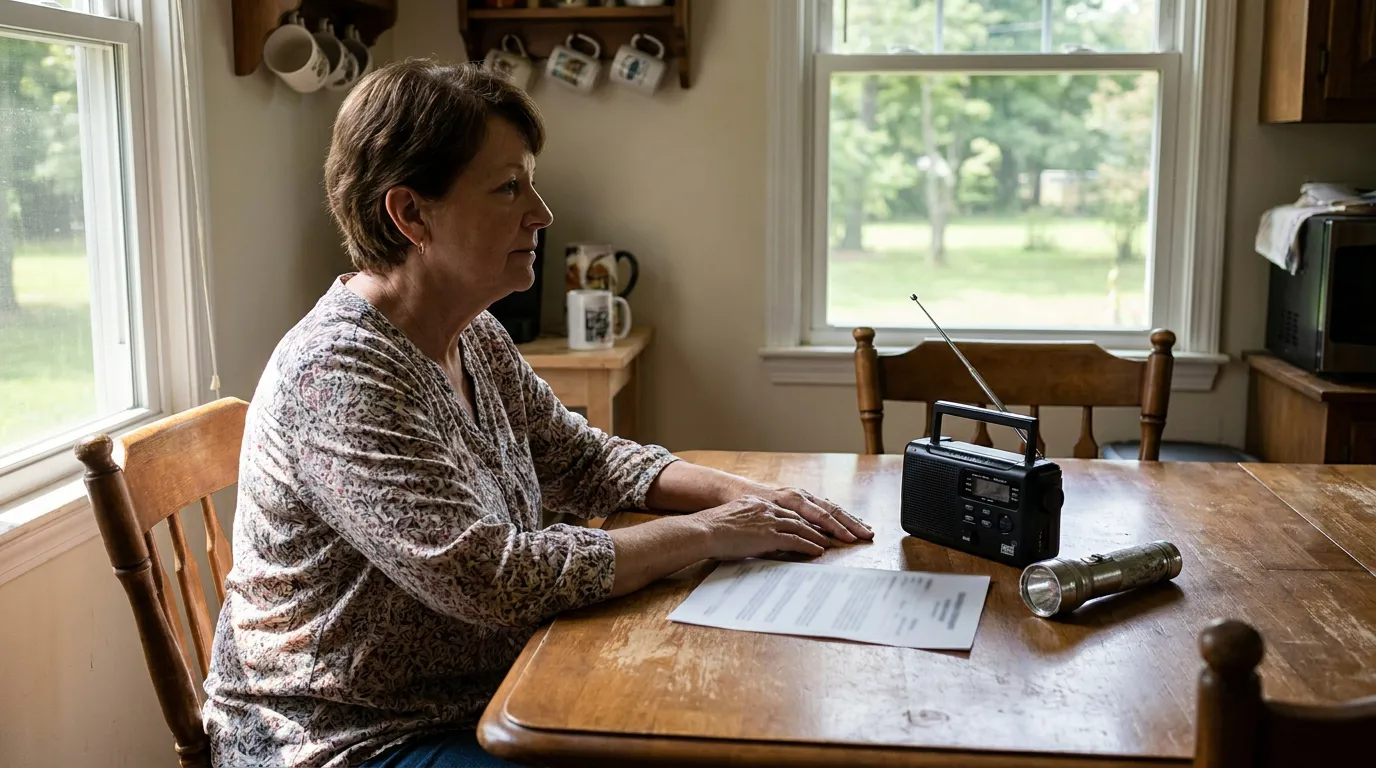
Tornadoes are a regular hazard in North Carolina, not a rare event. Tornadoes touch down across the state most years, from the coastal plain to the Piedmont. State climate resources track where North Carolina tornadoes tend to occur, and their records show regional patterns and a long list of notable storms. Because of that history, homeowners should know how their policy handles wind and tornado damage before a storm hits.
The state’s history includes some devastating outbreaks. Local news coverage has marked the anniversary of the largest NC tornado outbreak on record, an April 2011 event that destroyed homes in many counties. Storms like that one can produce thousands of claims at the same time. When that happens, insurers may rush inspections, adjusters may carry heavy caseloads, and estimates may miss real damage.
What Standard Policies Typically Cover
Most North Carolina homeowners policies cover windstorm. Many follow standardized forms such as the HO-3 policy. Under that form, the dwelling and other structures are usually covered on an “open perils” basis, meaning any direct physical loss is covered unless excluded, while personal property is covered only for specific named perils, and windstorm is one of them. Tornado damage normally falls under windstorm coverage, so it is generally covered unless an exclusion or limitation applies, or wind coverage has been removed from the policy.
Typical Coverage Parts Affected by a Tornado
A single tornado can trigger several parts of your policy at once. Here is how each coverage part typically applies:
|
Coverage Part |
What It Generally Covers After a Tornado |
|---|---|
|
Coverage A (Dwelling) |
Roof, walls, foundation, and attached structures |
|
Coverage B (Other Structures) |
Detached garages, fences, and sheds |
|
Coverage C (Personal Property) |
Furniture, electronics, clothing, and belongings, subject to special sub-limits for some items |
|
Coverage D (Loss of Use) |
Additional living expenses while the home is unlivable |
Your actual limits and conditions depend on your declarations page and endorsements. Read the whole policy, not just the summary, because endorsements can widen or narrow your storm damage coverage.
Separate Wind and Hail Deductibles
Some North Carolina policies apply a separate deductible to wind or hail losses. This deductible may be a percentage of the dwelling limit instead of a flat dollar amount, especially in coastal areas, so you could pay much more out of pocket. Some policies apply these deductibles only to named storms or hurricanes, so check which deductible applies to a tornado loss. Some coastal homeowners carry wind and hail coverage through the North Carolina Insurance Underwriting Association, also called the “Beach Plan,” and its terms are separate from their main homeowners policy. Many of the same deductible issues come up in hurricane claims, which we explain in our guide on NC hurricane damage coverage.
Common Exclusions and Disputes
Insurers often raise exclusions to shrink or deny tornado property damage claims. The most common arguments include:
-
Flood exclusions: Damage from rising surface water during a storm is typically excluded and handled under separate flood policies.
-
Wear and tear: Insurers may say roof damage came from age or deterioration rather than wind.
-
Pre-existing damage: Adjusters may claim the damage was already there before the tornado.
-
Mold or rot: Coverage is often excluded or capped, though some policies provide limited coverage when mold results from a covered loss.
Many of these disputes turn on causation, so your evidence matters a great deal. Photographs, weather data, and independent inspections can help show the tornado caused the loss.
Filing a Tornado Insurance Claim the Right Way
A strong tornado insurance claim starts with prompt notice and thorough documentation. Most policies require “prompt” or “immediate” notice of loss. They also require you to take reasonable steps to protect the property from further damage, for example by tarping a damaged roof. These duties are policy conditions, and insurers may point to delays as a reason to limit payment, although North Carolina courts have generally required insurers to show they were prejudiced by late notice.
Document everything before you make permanent repairs. Take date-stamped photos and video of every damaged area, keep receipts for emergency repairs, and make an inventory of damaged belongings. If the insurer asks, the policy may require you to submit a sworn proof of loss or sit for an examination under oath.
💡 Pro Tip: Ask for a complete copy of your certified policy, including all endorsements. The declarations page alone may not show wind deductibles or exclusions that affect your claim.
Watch the Lawsuit Deadline
North Carolina’s standard fire policy provisions limit how long you have to sue your insurer. Under N.C. Gen. Stat. § 58-44-16, the standard policy language generally requires that a lawsuit be filed within three years after the loss. Some policies use different wording, and courts look at the facts of each case when applying the deadline. Do not assume you will get more time. Talk to counsel well before any deadline approaches.
When Insurers Underpay or Deny Wind Damage Claims
Lowball estimates are among the most common problems in a wind damage claim. An insurer may approve only patch repairs when the roof actually needs full replacement, or it may leave out interior damage and code upgrades, which may be covered only if your policy includes ordinance or law coverage. When that happens, you may be able to challenge the estimate with independent evidence.
North Carolina law sets standards for how insurers handle claims. N.C. Gen. Stat. § 58-63-15(11) defines unfair claim settlement practices. Examples include failing to act reasonably promptly on claims, refusing to pay without a reasonable investigation, and failing to try in good faith to reach a prompt, fair, and equitable settlement once liability is reasonably clear. The statute itself does not give homeowners a private right to sue, but such conduct can support a claim under N.C. Gen. Stat. § 75-1.1, and N.C. Gen. Stat. § 75-16 allows treble damages for a successful claim. Separately, a bad faith tort claim generally requires proof that the insurer refused to pay a valid claim in bad faith, along with aggravating conduct, before punitive damages are available. Whether a particular insurer’s conduct meets these standards depends on the specific facts.
Many policies also include an appraisal clause for disputes over the amount of loss. Appraisal may help settle disagreements about value. However, it generally does not decide coverage questions, and it may not be the best route in every case.
💡 Pro Tip: Keep a written log of every call, email, and inspection, with dates and the names of the people involved. This record can show delays or inconsistent explanations later.
How Our Firm Supports North Carolina Policyholders
Kuhn Raslavich, P.A. represents policyholders against insurance companies. We do not represent insurers. For example, we were able to recover $325,000 for homeowners underpaid in a Hurricane Helene claim in Buncombe County, NC. Past results do not guarantee future outcomes, and every claim depends on its own facts.
An experienced tornado insurance claim lawyer can help with every stage of a dispute. That includes reviewing your NC insurance policy, arranging independent damage estimates, attending inspections, negotiating with the carrier, and filing suit when necessary.
Frequently Asked Questions
1. Does homeowners insurance cover tornado damage in North Carolina?
Generally, yes. Most policies cover tornadoes under the windstorm peril. However, deductibles, exclusions, and endorsements can affect how much you recover.
2. Is flooding after a tornado covered?
Usually not under a standard homeowners policy. Flood damage typically requires separate flood insurance. Rain that enters through openings the wind created in the roof or walls, however, is generally covered.
3. What if my insurer says the roof damage is old wear and tear?
You may be able to challenge that conclusion with independent inspections, photographs, and weather data. Causation disputes often depend on the quality of the evidence.
4. How long do I have to sue my insurer in North Carolina?
Standard policy language under N.C. Gen. Stat. § 58-44-16 generally allows three years from the loss. Check your policy and talk to counsel promptly, because the facts of your case can matter.
5. Can I hire a lawyer if my claim is still open?
Yes. Getting help early may strengthen your documentation and help you avoid mistakes before the insurer makes a final decision.
Protecting Your Recovery After a Tornado
North Carolina homeowners insurance generally covers tornado damage, but getting fully paid often takes persistence. Learn your policy, document your loss, meet every deadline, and push back when an estimate falls short. The outcome of any claim depends on its specific facts and policy terms.
If your insurer has denied or underpaid your claim, Kuhn Raslavich, P.A. is ready to help. Call 877-352-7767 or schedule your consultation today.
Disclaimer: This content is for informational purposes only and is not legal advice. Every case is unique, and results may vary. Consult an attorney about your specific circumstances.