


How Florida’s Roof Replacement Rules Changed for Newer Roofs
Key Takeaways: Generally, the Florida 25 percent rule no longer requires a full roof replacement for roofs built, repaired, or replaced to the 2007 Florida Building Code or later, because Florida Statute § 553.844(5) requires only the repaired portion to meet current code. Roofs built only to pre-2007 codes do not get this exemption, so the 25 percent rule may still apply to them, and roofs with mixed older and newer sections can lead to fact-dependent disputes. Local governments generally cannot amend this exemption. Even for newer roofs, a full replacement may still be justified by widespread damage, unavailable matching materials, or an insurer estimate that undercounts the damage. Separately, § 627.7011(5) limits when an insurer can refuse to issue or renew a homeowners policy based only on roof age. Permit records and claim deadlines under § 627.70132 can be critical, and an experienced attorney can help challenge an underpaid or denied roof claim.
Generally, no. The traditional 25 percent rule no longer requires a full roof replacement for newer roofs that meet modern code. Under Florida Statute § 553.844(5), if a roof or roof section was built, repaired, or replaced to meet the 2007 Florida Building Code or any later edition, only the part being repaired, replaced, or recovered has to meet current code. That is generally true even when 25 percent or more of the roof is damaged. Older roofs built only to pre-2007 codes do not get this exemption, so the 25 percent rule may still apply to them.
Insurance companies often know these rules well, and many homeowners do not. If your insurer has offered a patch when you believe your roof needs more, the team at Kuhn Raslavich, P.A. can review your claim. Call 877-352-7767 or contact us now to talk about your options.
What the Florida 25 Percent Rule Has Traditionally Required
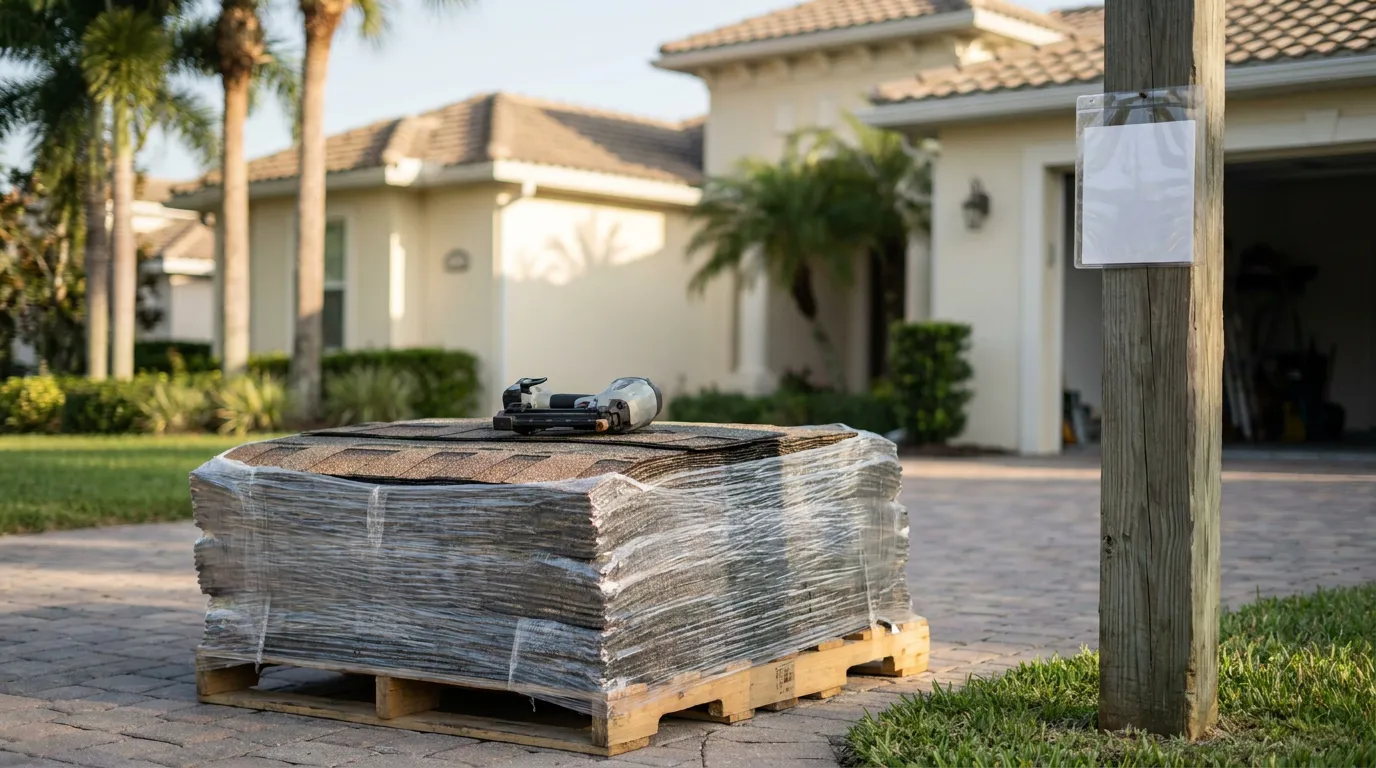
For years, the Florida 25 percent rule required the whole roof, or roof section, to be brought up to current code when 25 percent or more of it was repaired, replaced, or recovered within a 12-month period. This provision is found in the Florida Building Code, Existing Building volume. In practice, if a storm damaged a quarter or more of a roof section, the homeowner usually could not legally patch only the damaged area.
That requirement mattered a great deal in property insurance disputes. Many homeowners’ policies include “ordinance or law” coverage, which can help pay for code-required upgrades, usually up to a set limit. When the threshold was triggered, policyholders often had a strong argument that the insurer should pay for a full roof replacement, not just repair of visibly damaged shingles or tiles.
Why the Threshold Created Conflict With Insurers
The 25 percent line often turned into a fight over measurement. Adjusters sometimes counted damage narrowly, by slope, section, or individual shingle, which kept the total below 25 percent. Homeowners and their contractors often measured more broadly. The gap could mean tens of thousands of dollars.
Code requirements are not the only way to justify a larger repair. Problems matching discontinued shingles or tiles can also come into play. We explain that issue in our article on matching shingles rules, which covers when insurance may need to pay for more than a patch.
The 2007 Florida Building Code Exemption Explained
Florida Statute § 553.844(5) creates a newer roof exemption that applies notwithstanding any conflicting provision of the Florida Building Code. When a roofing system or roof section was built, repaired, or replaced to meet the 2007 Florida Building Code or any later edition, and 25 percent or more of it is being worked on, only the repaired, replaced, or recovered part must meet the code in effect. You can read the full text in Florida Statutes Chapter 553.
The exemption is intended to apply the same way across Florida. The Florida Building Commission must adopt the exception by rule and write it into the Florida Building Code. The statute also says that, notwithstanding § 553.73(4), cities and counties may not pass ordinances that change it.
Where the Change Came From
The statute’s most recent amendment came in 2022. That amendment, which added the newer roof exemption, came during a special-session overhaul of Florida property insurance and roof laws, which helps explain why many homeowners are only now hearing about it.
Because the exemption depends on which code edition a roof was built under, your roof’s permit history can become important evidence in a dispute.
Does Your Roof Qualify? A Side-by-Side Comparison
Whether the exemption applies depends mostly on the code your roof was built or replaced under. The table below summarizes how the rules generally work, though individual claims may differ.
|
Roof Situation |
25% Full-Replacement Trigger |
What Must Meet Current Code |
|---|---|---|
|
Built or replaced to the 2007 FBC or later |
Generally does not apply |
Only the repaired, replaced, or recovered portion |
|
Built only to pre-2007 code |
May still apply |
Potentially the entire roof or roof section |
|
Mixed sections (some older, some newer) |
Fact-dependent |
May vary by section |
Mixed roofs are where disputes often become complicated. The statute refers to a “roofing system or roof section,” so an insurer may argue that a newer section qualifies for the exemption while an older section does not. Permit records, contractor invoices, and inspection reports can help clarify those facts.
How the Newer Roof Exemption Affects Your Roof Claim
In practical terms, the exemption can limit what a homeowner can expect an insurer to pay. If your roof meets the 2007 code or later, reaching the 25 percent threshold generally does not, by itself, require full replacement. The insurer may therefore offer to pay only for repairing the damaged area.
That does not mean a partial repair payment is always correct. A full replacement may still be justified when:
-
The damage is widespread enough that repair is not reasonably possible
-
Matching materials are unavailable and the policy or law requires a reasonably uniform appearance
-
The roof, or a section of it, was built under pre-2007 code
-
The insurer’s estimate undercounts the actual extent of storm or hail damage
💡 Pro Tip: Before the adjuster’s inspection, gather your roof permit, completion date, and the contractor’s invoice. These documents can help establish which code edition applies and how old your roof is.
Roof Age Protections Florida Homeowners Should Know
Roof age affects your ability to get and keep coverage. Florida Statute § 627.7011(5) adds protections for homeowners’ policies issued or renewed on or after July 1, 2022.
Roofs Less Than 15 Years Old
Under § 627.7011(5)(b), an insurer may not refuse to issue or renew a homeowner’s policy just because the roof is less than 15 years old. The insurer may still consider other factors, such as roof condition, but age alone is not a lawful basis for refusing coverage.
Roofs 15 Years or Older
For roofs at least 15 years old, § 627.7011(5)(c) requires the insurer to let the homeowner get an inspection from an authorized inspector, at the homeowner’s expense, before requiring a roof replacement. If the inspection shows 5 or more years of useful life left, the insurer may not refuse to issue or renew the policy solely because of roof age. Under Florida Statute 627.7011(5)(a), authorized inspectors include licensed home inspectors, certified building code inspectors, licensed general, building, residential, or roofing contractors, professional engineers, professional architects, and any other individual or entity the insurer recognizes as qualified to complete a general inspection of a residential structure.
How roof age is calculated matters too. Under Florida Statute 627.7011(5)(d), roof age is counted from the last date the entire roof surface was built or replaced to the code in effect at the time, or from the initial date of the first partial replacement if subsequent partial replacements together covered the entire roof surface.
Protecting Your Rights After Roof Damage
Deadlines can affect a roof claim as much as the code rules do. Under Florida Statute § 627.70132, for losses on or after December 16, 2022, a new or reopened claim generally must be reported within 1 year after the date of loss, and a supplemental claim within 18 months. Older losses may fall under earlier, longer deadlines.
When an insurer cites the newer roof exemption to justify a smaller payment, it may help to have someone review the estimate closely. Our firm has significant experience in roof disputes. For example, we recently recovered $125,000 on a denied roof damage claim in Orange County. Past results do not guarantee a similar outcome, but they show how carefully documented claims can be challenged. An experienced Florida 25 percent rule lawyer can review your policy, your roof’s permit history, and the insurer’s reasoning.
💡 Pro Tip: Ask the insurer in writing which code edition it believes your roof was built under and how it measured the damaged area. A written answer can make gaps in its reasoning easier to spot.
Frequently Asked Questions
1. Is the Florida 25 percent rule completely gone?
No. It may still apply to roofs built only to codes older than the 2007 Florida Building Code. The exemption in § 553.844(5) covers only roofs or roof sections built, repaired, or replaced to the 2007 code or later.
2. Can my city or county apply a stricter version of the rule?
Generally, no. Section 553.844(5) prevents local governments from adopting ordinances that amend this exception.
3. How do I find out which code my roof was built under?
Your building permit and final inspection records usually show the permit and completion dates. Your local building department or roofing contractor may have copies.
4. Can my insurer drop me because my roof is old?
For policies issued or renewed on or after July 1, 2022, an insurer may not refuse to issue or renew a policy solely because the roof is less than 15 years old. For roofs 15 years or older, an inspection showing at least 5 years of useful life left prevents a refusal based only on age, though the insurer may still consider other factors.
5. Does the exemption mean my insurer only has to pay for a patch?
Not necessarily. Matching problems, widespread damage, or older roof sections may still support a larger repair or full replacement, depending on the facts and your policy language.
What This Means for Your Roof Going Forward
The Florida 25 percent rule still exists, but it generally applies much more narrowly than it used to. If your roof was built to the 2007 Florida Building Code or later, reaching the 25 percent threshold alone generally does not require full replacement. Roof age protections under § 627.7011(5) may also help you keep your coverage. Every claim depends on its own facts, including permit history, how the damage was measured, and your policy wording.
If you think your insurer has used these rules to underpay or deny your roof claim, Kuhn Raslavich, P.A. is ready to help. Call 877-352-7767 or schedule your consultation today.
Disclaimer: This content is for informational purposes only and is not legal advice. Every case is unique, and results may vary. Consult an attorney about your specific circumstances.