


What Happens Inside Florida’s 60-Day Insurer Cure Window
Key Takeaways: After a Civil Remedy Notice is filed, Fla. Stat. § 624.155(3)(c) gives the insurer 60 days from receipt of notice from the Department of Financial Services to pay damages or correct the violation; timely cure bars action for identified violations. The notice must be filed on the department’s form stating the violation with specificity, including statutory language, facts, individuals involved, and policy provisions. Carriers must report disposition under § 624.155(3)(d). The limitations period is tolled for 60 days under § 624.155(3)(e), and notice may not be filed within 60 days after appraisal is invoked in residential property claims under § 624.155(3)(f). Property claimants face an added hurdle under § 624.1551, requiring an adverse adjudication establishing breach of contract before an extracontractual action may proceed; neither an offer of judgment nor appraisal award payment satisfies this threshold. Claimants may pursue both common-law and statutory bad faith remedies but may obtain judgment under only one.
After a policyholder files a Civil Remedy Notice, the insurer receives a 60-day window to address the issue. Under Fla. Stat. § 624.155(3)(c), no action lies if, within 60 days after the insurer receives notice from the Department of Financial Services, the damages are paid or the circumstances giving rise to the violation are corrected. The carrier may write the check, correct the conduct, or let the clock expire. Understanding this window helps Florida homeowners and business owners plan their next move.
If your storm, water, fire, or hail claim has stalled and you are weighing a civil remedy notice, the team at Kuhn Raslavich, P.A. can walk you through the process. Call 877-352-7767 or contact us now to discuss where your claim stands.
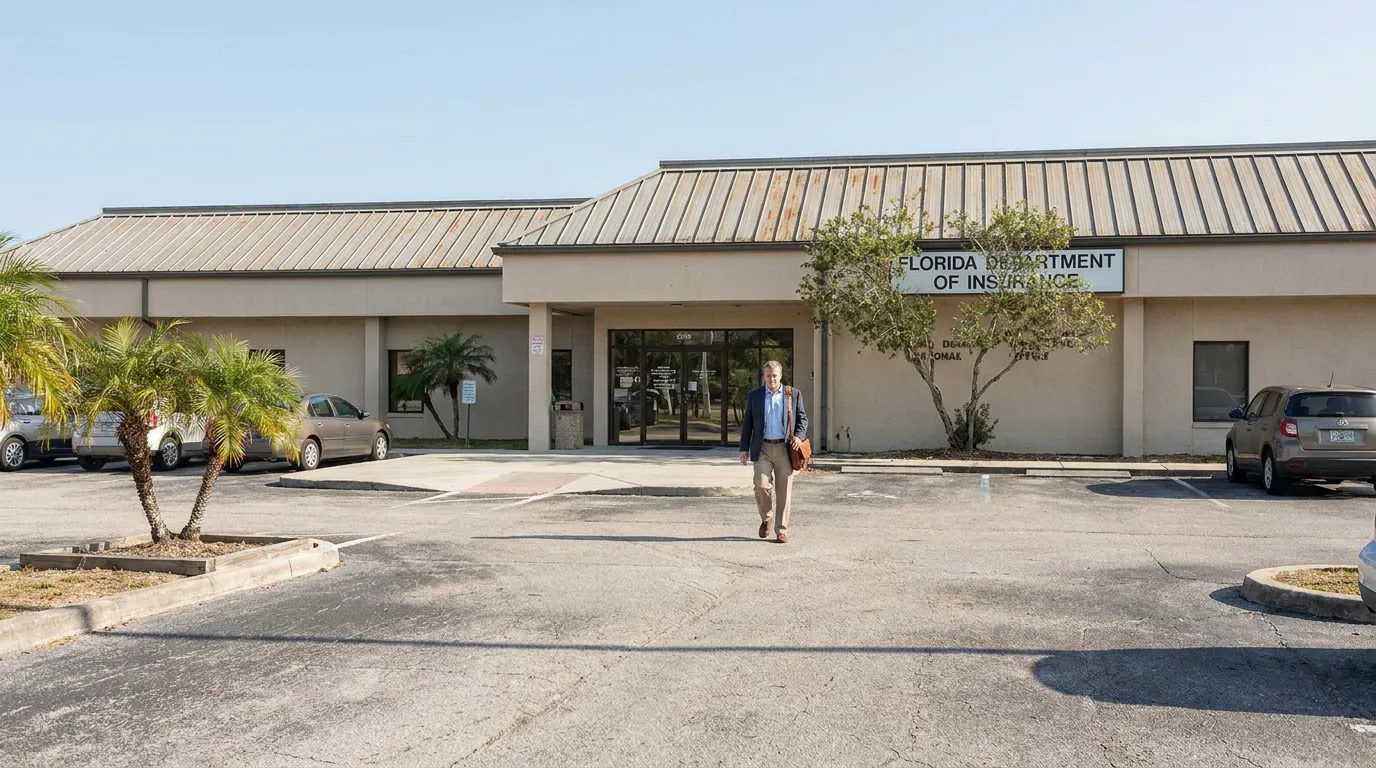
The Statutory Foundation Behind The Florida Civil Remedy Notice 624.155
The cure period flows from a mandatory condition precedent. Under Fla. Stat. § 624.155(3)(a), the department and authorized insurer must have 60 days’ written notice of the violation, and notice to the insurer must be provided by the department to the e-mail address designated under Fla. Stat. § 624.422. A claimant cannot sue for statutory bad faith until the notice has been delivered and the window has run. This condition precedent governs the statutory remedy; common-law bad faith is subject to its own requirements.
The notice must meet specific content requirements. Fla. Stat. § 624.155(3)(b) requires the notice to be on a form provided by the department stating with specificity the statutory provision and language allegedly violated, the facts and circumstances, the name of any individual involved, reference to specific policy language, and a statement that the notice is given to perfect the right to pursue the civil remedy. Third-party claimants generally need not reference specific policy language if the insurer has not provided a copy on written request. Review the full text of the Florida bad faith statute to see how each element is framed.
Why Specificity Matters More Than Volume
Vague notices create disputes about whether the condition precedent was satisfied. Because the statute requires specificity, a filing that gestures at general dissatisfaction may invite an argument that the insurer never received fair opportunity to cure. Carriers often respond differently to well-documented notices because they show more clearly what payment would resolve.
💡 Pro Tip: Before filing, assemble your estimate, photographs, correspondence log, and specific policy provisions. A civil remedy notice Florida filing built on organized proof may give the carrier a concrete number to evaluate during the cure window.
How The Insurer Response Deadline Actually Unfolds
Once the department transmits the notice, the insurer’s 60-day clock begins. The carrier has three practical paths: pay the damages, correct the circumstances giving rise to the alleged violation, or decline to do either. Under Fla. Stat. § 624.155(3)(d), the authorized insurer must report to the department on the disposition of the alleged violation.
A cure payment from the insurer can end the statutory bad faith exposure tied to the violations identified in that notice. Whether a payment fully cures the alleged violation can be litigated. Many claimants find that the possibility of statutory exposure prompts a reevaluation that months of adjuster correspondence did not.
|
Carrier Action Within 60 Days |
Statutory Effect |
|---|---|
|
Pays the damages |
No action lies under § 624.155(3)(c) |
|
Corrects the circumstances |
No action lies under § 624.155(3)(c) |
|
Reports disposition to department |
Required by § 624.155(3)(d) |
|
Takes no curative action |
Cure window closes; other conditions still apply |
Tolling, Appraisal, And The CRN Filing Timeline
Florida law addresses the risk that the cure window could consume a claimant’s deadline. Fla. Stat. § 624.155(3)(e) provides that the applicable statute of limitations for an action under the section shall be tolled for 60 days after the insurer receives notice from the department, and for 60 days after the date appraisal is invoked pursuant to paragraph (f). This tolling applies to the statutory action itself.
Appraisal may change the CRN filing timeline in residential property claims. Under Fla. Stat. § 624.155(3)(f), a notice may not be filed within 60 days after appraisal is invoked by any party in a residential property insurance claim. If your carrier invokes appraisal, the ability to start the cure clock may be delayed.
Separating Administrative Steps From Civil Litigation
The department’s role in receiving and transmitting the notice is administrative and distinct from any lawsuit. Filing a notice does not initiate litigation, and the department does not adjudicate the merits of your damage claim. Civil statutes of limitations, contractual suit-limitation provisions, and claim-filing deadlines under Fla. Stat. § 627.70132 operate on separate tracks.
The Additional Hurdle Property Insurance Claimants Face
For property claims, satisfying the 624.155 cure window is only one step. Under Fla. Stat. § 624.1551, in any claim for extracontractual damages under § 624.155(1)(b), no action shall lie until a named or omnibus insured or named beneficiary has established through an adverse adjudication by a court that the property insurer breached the insurance contract and a final judgment or decree has been rendered against the insurer.
Certain resolutions expressly do not satisfy that threshold. Fla. Stat. § 624.1551 provides that acceptance of an offer of judgment under Fla. Stat. § 768.79 or payment of an appraisal award does not constitute an adverse adjudication. The statute further provides that the difference between an insurer’s appraiser’s final estimate and the appraisal award may be evidence of bad faith under § 624.155(1)(b), but is not deemed an adverse adjudication and does not, on its own, give rise to a cause of action.
Remedy selection carries consequences. Under Fla. Stat. § 624.155(8), any person may obtain a judgment under either the common-law remedy of bad faith or the statutory remedy, but is not entitled to judgment under both. Section 624.155 also provides that mere negligence is not sufficient to establish bad faith, and that the insured, claimant, and their representatives have a duty to act in good faith in furnishing information and in making or responding to settlement demands. Working with a Florida civil remedy notice 624.155 lawyer can help you evaluate which path may fit your file.
Common Timing Pressures That Complicate The Bad Faith Timeline
Several practical issues surface while the cure window runs. Policyholders often discover that underlying claim deadlines continue regardless of the notice. Consider the following:
-
Fla. Stat. § 627.70131 requires an insurer to pay or deny a claim within the statutory period
-
Fla. Stat. § 627.70132 sets deadlines for filing an initial claim, a reopened claim, and a supplemental claim
-
Appraisal invocation may pause the ability to file a notice under § 624.155(3)(f)
Bad faith can arise in various ways, but proving it requires more than dissatisfaction with a payment amount. Courts consider the carrier’s investigation, communication, and evaluation practices under the totality of circumstances. Additional discussion of the Florida bad faith process appears throughout our property insurance legal insights.
💡 Pro Tip: Keep a dated log of every call, inspection, and payment during the 60-day cure period. Contemporaneous records are generally more persuasive than reconstructed timelines.
Frequently Asked Questions
1. When does the 60-day cure period actually begin?
The clock runs from the insurer’s receipt of notice from the department. Under § 624.155(3)(c), the measuring point is 60 days after the insurer receives notice from the department, delivered to the e-mail address designated under § 624.422.
2. What happens if the insurer pays during the cure window?
A timely cure payment may bar the statutory action tied to violations alleged in that notice. Section 624.155(3)(c) states that no action shall lie if damages are paid or circumstances giving rise to the violation are corrected within the window.
3. Can I file a notice while appraisal is pending?
Generally not within 60 days after appraisal is invoked in a residential property claim. Section 624.155(3)(f) restricts filing during that period, and the limitations period may be tolled for 60 days after appraisal is invoked under § 624.155(3)(e). The related statutory framework in Chapter 624 provides surrounding context.
4. Does filing a notice mean I have filed a lawsuit?
No. The filing is an administrative step, not litigation. It satisfies a condition precedent, and for property claims the additional adverse adjudication requirement under § 624.1551 must generally be met before an extracontractual action may proceed.
5. Can I recover under both common-law and statutory bad faith?
Generally not both. Section 624.155(8) permits a judgment under either the common-law remedy or statutory remedy, but not under both, even if both theories are pleaded.
Moving Forward After Your Notice Is Filed
The 60-day cure window gives your insurer a defined opportunity to pay or correct, and may give you a documented record of what happened next. Between the specificity requirements of § 624.155(3)(b), the tolling provisions of § 624.155(3)(e), the appraisal restriction in § 624.155(3)(f), and the adverse adjudication threshold in § 624.1551, the sequence may matter as much as the substance.
If you are navigating a denied, underpaid, or delayed property claim, Kuhn Raslavich, P.A. is ready to review your situation and explain your options. Call 877-352-7767 or schedule a consultation to get started.
Disclaimer: This content is for informational purposes only and is not legal advice. Every case is unique, and results may vary. Statutory provisions are periodically amended, and the version applicable to your claim may depend on your date of loss. Consult an attorney about your specific circumstances.