


Experienced Wind Damage Claim Attorneys Serving Orlando and Central Florida
Wind can damage a home in ways that look insignificant at first. Shingles lift, flashing bends, vents loosen, and wind-driven rain pushes into small openings. A strong claim often depends on timing, records, and how the policy defines covered damage, which is why many people start looking for an Orlando wind damage claim lawyer soon after the first estimate comes back.
Kuhn Raslavich helps property owners across Florida deal with wind damage disputes, including roof, exterior, and interior losses tied to wind events. When you work with our team, we can help you with the policy language, the deadlines Florida law imposes, and the evidence required to support the full scope of repairs.
Why Florida Policyholders Need Legal Help
Wind claims sound simple until the carrier starts narrowing what counts as “storm damage.” Coverage decisions often turn on small details, such as whether wind created an opening that let rain inside, whether the adjuster treated damage as wear and tear, or whether the estimate leaves out connected roof components that must be addressed together.
Small Coverage Details Can Decide the Outcome
Many disputes start with how the carrier frames the cause of loss. A roof can suffer wind-related damage that is easy to miss if someone focuses on only one area or one type of shingle issue. Connected components matter because roofs work as systems, not as isolated parts. When the estimate leaves out flashing, vents, underlayment transitions, or other related work, the carrier may claim the needed repairs go beyond what the storm caused, even when the storm set the entire chain in motion.
Deadlines Make Strategy More Than a Preference
Clear strategy matters because Florida sets strict reporting windows for weather-related losses, and late notice can become the centerpiece of a denial. The timeline often shapes the entire conversation with the insurer, especially when damage worsens over time or becomes more obvious after repeated rain. In many disputes, a careful review by a lawyer will connect the damage pattern to the storm date, match the loss to the right deductible, and push for a scope that reflects how roofs and building envelopes function as systems.
Wind Damage Coverage Issues That Show Up in Orlando Homes
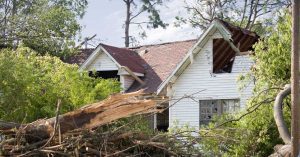 Even though policies usually treat wind as a covered peril, exclusions and limitations still matter. Carriers often debate whether the loss came from wind, age, installation issues, or poor maintenance. Another common issue involves deductibles, especially when a hurricane deductible applies and changes the out-of-pocket amount compared to a standard “all other perils” deductible.
Deductibles and “Wear and Tear” Arguments
Deductible disputes often become practical roadblocks. When the hurricane deductible applies, the amount the policyholder must pay can rise sharply compared to a standard deductible. At the same time, a wear-and-tear narrative can shrink the covered portion of the claim, even when wind damage is present. A well-built claim file keeps the focus on storm-related changes and the repair steps required to restore the property.
Matching Rules Can Expand the Proper Scope
Disputes also happen when repairs require replacing materials that must reasonably match what remains. Florida’s matching statute can support broader repairs when replacement items do not match in quality, color, or size, including in adjoining areas where uniformity becomes part of a proper repair. An attorney will often compare the carrier’s scope to what the matching rules and the policy’s repair standards actually allow.
A Practical Goal: A Repair Plan That Holds Up
Legal help often comes down to bringing structure to the claim. The focus stays on the policy terms, the storm timeline, and what a reasonable repair truly requires, so the claim does not get reduced to a small patch that leaves future problems behind.
Florida Deadlines For Reporting Wind and Hurricane Losses
Florida law sets hard deadlines for reporting property claims. A claim or reopened claim can be barred unless notice is given within one year after the date of loss, and a supplemental claim can be barred unless notice is given within 18 months after the date of loss. For hurricanes, windstorms, and other weather events, Florida law defines how the “date of loss” is determined, which matters when a storm system impacts Central Florida over multiple days.
Those deadlines make recordkeeping prompt reporting more than a good habit. Late reporting can shrink the claim to only the most obvious items, or it can become the stated reason for a full denial. A lawyer will often work backward from the storm date, the policy’s notice language, and the claim history to protect the parts of the loss that commonly get labeled “new” or “unrelated.”
What Florida Law Requires After a Claim Gets Reported
Florida also regulates what insurers must do after receiving notice of a property claim. For many residential property claims, the insurer generally must pay or deny the claim (or a portion of it) within 60 days after receiving notice, unless factors beyond the insurer’s control prevent payment. When the carrier pays less than its own estimate, the statute requires a reasonable written explanation for the difference.
Deadlines alone do not guarantee a fair scope, but they do create accountability. An attorney will usually track when notice occurred, what the carrier said in writing, and whether the claim handling timeline supports interest on late-paid amounts under the statute.
Where Wind Claims Commonly Get Stuck
A roof can show clear storm impact, yet the estimate calls for limited repairs that ignore connected items like underlayment transitions, flashing, vents, or adjacent areas affected by matching concerns. When an estimate treats the roof like a set of isolated parts, the repair plan can miss what it takes to restore water resistance and consistent performance across the whole system.
Matching Concerns That Expand the Proper Repair
Matching concerns can not only result in a dispute, as mentioned earlier, they can also delay a claim. They often appear when replacement shingles, tiles, or exterior materials do not align in quality, color, or size with what remains. A narrow scope can leave a patchwork result that does not meet the standard for a proper repair, which is why the matching issue often becomes a turning point in negotiations.
How Recent Florida Reforms Changed Disputes
Recent Florida insurance reforms also changed the leverage points in litigation and contracting. State law limited the old “one-way fee” structure in many property cases and restricted assignments of benefits on many residential and commercial property policies issued on or after January 1, 2023. In practical terms, a lawyer will plan the claim presentation with a stronger focus on proof, written positions, and early dispute resolution options, because shortcuts now tend to backfire faster.
A Practical Takeaway for Policyholders
Wind disputes tend to stall when the carrier’s scope stays small while the repair reality stays big. Careful documentation and a clear written strategy keep attention on what the roof needs, not only what the initial estimate lists.
How a Kuhn Raslavich Orlando Wind Damage Claim Attorneys Will Approach a Disputed Wind Claim
A wind claim dispute usually needs a plan that fits the policy and the storm timeline. Our team will review the declarations page, endorsements, and claim correspondence, then we will compare the carrier’s scope to the repair reality and the Florida rules that govern matching and claim handling. A clear written position often matters as much as the estimate itself, because it forces the carrier to address the facts and the policy language instead of leaning on general statements.
When a claim stalls, Florida offers structured paths that can help move the dispute without dragging the homeowner through endless back-and-forth. The Florida Department of Financial Services provides a Residential Property Mediation Program designed to help resolve certain residential insurance claim disputes. If the dispute still requires suit, Florida’s limitation rules can apply, including provisions that run certain property insurance contract timelines from the date of loss.
If wind damaged your Orlando-area home and the carrier’s payment or scope does not match what the repairs truly require, Kuhn Raslavich will step in and build a claim record that holds up under Florida’s deadlines and claim-handling rules. Call us at 407-501-4833 or contact us online to speak with an Orlando wind damage claim attorney. We will put a clear, evidence-driven plan in place before delay and confusion start costing you real money.
How Kuhn Raslavich Builds Leverage in South Florida
Documentation wins claims. Kuhn Raslavich will gather pre-loss photos, permit histories, moisture readings, expert reports, and line-item estimates to tell a coherent story grounded in the policy’s language. Our team can convert that story into a demand that anticipates the carrier’s pushbacks.
Process control creates pressure. Our firm will calendar statutory deadlines, request claim file notes when available, and maintain written follow-ups on a predictable schedule. We will tie every delay to the statute and remind the carrier of its obligations under Florida law.
Results come from preparation. When the file provides credible support for cause, scope, and price, carriers have fewer excuses to cut or delay payment. A prepared attorney with our firm will present that support at the appraisal or in court if negotiation fails.
Frequently Asked Questions
How long do I have to report wind damage in Florida?
Florida law requires notice of a property claim within one year after the date of loss, and supplemental claims within 18 months after the date of loss. Policy language still matters, and can shorten these deadlines, so timing should be checked early.
Does Florida law help with “matching” issues on repairs?
Florida’s matching statute can require reasonable repairs or replacement in adjoining areas when replacement items do not match in quality, color, or size. The scope and limits still depends on the facts and the policy.
How quickly must an insurer pay or deny after receiving notice?
For many property claims, Florida law generally requires payment or denial within 60 days after the insurer receives notice, unless factors beyond the insurer’s control prevent it. The insurer must also provide certain written explanations in specific situations.
Reasons To Call Kuhn Raslavich
If you have suffered property damage as a result of water damage, fire, hail, or hurricane, CALL KUHN RASLAVICH FIRST…not your insurance carrier. Kuhn Raslavich charges no fees unless you get paid! We will deal with the insurance company on your behalf so you do not have to worry about setting up a claim or getting paid adequately. As an illustration of why hiring Kuhn Raslavich would be beneficial, consider this common occurrence:
- A hurricane badly damages your home.
- You call your insurance carrier who sends out one of their own adjusters to estimate the amount of damage.
- You accept the amount estimated by the insurance carrier, not knowing that it is extremely undervalued because the insurance company is trying to pay the least amount possible to settle your claim.
- As a result, you do not have enough money to repair your home properly.
We will come to your home and estimate the true value of the damage, which is often much greater than what the insurance company has determined. We will then gather all necessary paperwork and submit the claim to your insurance company. Once submitted, we help you along step by step and negotiate the claim in an effort to maximize your recovery.
Since filing a homeowner’s insurance claim is not a common occurrence, many homeowners do not know where to start. Many believe that their insurance company works for them, and is looking out for their best interest; however, insurers DO NOT represent homeowners and ARE NOT looking out for their best interest. Insurers are FOR PROFIT CORPORATIONS that are trying to pay the least amount possible to resolve claims.