


Experienced Commercial Property Damage Claim Attorneys on Florida's Gulf Coast
Commercial buildings around Tampa carry more than walls and roofs. They hold employees, customers, inventory, and years of work. When a storm, pipe break, or fire shuts the doors, a Tampa commercial property damage claims attorney can become just as important as the contractor repairing the damage, because the claim will decide whether the business can reopen on solid ground or struggle for months.
Florida insurance rules have become increasingly complex over the past few years. Commercial policies often include additional layers, such as co-insurance, business interruption coverage, and lender requirements.
Working with a lawyer from Kuhn Raslavich, P.A. provides a business owner or property manager with a guide who understands those rules. We will use them to fight for every dollar the policy promises, rather than the smaller number the carrier may prefer to pay.
Commercial Property Claims in Florida – A Brief Overview
Commercial property policies in Florida usually start with similar building blocks. Most policies insure the structure, personal property inside, and some form of lost income if a covered loss forces the business to slow or stop operations. From there, endorsements layer in extra protections or exclusions that matter significantly after a hurricane or severe storm.
Coverage for a Tampa shopping center or office park typically includes several components, such as building coverage for the structure and its attached fixtures. A policy may also include business personal property coverage for items such as furniture, equipment, and inventory.
Many policies also include business income and extra expense coverage, which pays for lost profits and additional costs incurred to continue operations after the damage, such as temporary locations or overtime pay. Ordinance or law coverage can step in when Tampa or Hillsborough County building codes require upgrades during repairs, like stronger roof systems or wind-resistant glass.
Insurance Policy Complications
Policy language can treat the same event differently depending on the cause. For example, a burst pipe in an office tower usually falls under one section of the policy, while wind-driven rain that enters through storm damage may fall under another. Flooding from storm surge often falls outside a standard policy. It may require separate coverage through the National Flood Insurance Program or a private flood carrier.
Key Deadlines and Laws to Keep in Mind
Florida law generally requires policyholders to provide notice of a property insurance claim within one year of the date of loss. Supplemental claims that seek additional payment for the same damage must be filed within 18 months of the loss date. For weather-related events like hurricanes and severe windstorms, the statute measures the date of loss from the date the storm is verified, not the date the damage is discovered.
Commercial property owners in Tampa also need to keep an eye on lawsuit deadlines. Florida’s general statute of limitations for a breach of a written property insurance contract is five years from the date of loss. A business must file suit within this period if the carrier refuses to pay in accordance with the contract’s terms. A property insurance lawyer will track both the notice deadline and the lawsuit deadline while building the claim file, ensuring that no one loses their rights simply because the calendar has run out.
Florida statutes also impose duties on insurers. Carriers must acknowledge communications, investigate claims, and issue coverage decisions within certain time frames set in the insurance code. When a carrier misses those benchmarks, delays inspections, or drags out payment without good reason, those missteps can support interest on overdue amounts and sometimes strengthen a later bad-faith claim. Tampa businesses gain an advantage when they document each letter, email, and call that demonstrates whether the carrier is fulfilling its legal duties.
Coverage Issues Unique to Tampa Commercial Buildings
Tampa’s mix of coastal weather and, in many instances, older buildings creates claim problems that do not always appear in other regions. A single storm can combine strong winds, heavy rain, and storm surge. The policy might treat each of those elements differently, which makes the cause of damage a central issue in many commercial claims. A property insurance attorney will closely monitor how the adjuster categorizes each type of damage and whether the carrier is attempting to shift losses into excluded categories.
Roof systems on warehouses, hotels, and strip malls around Tampa often become the battleground. Wind may lift or loosen membranes, flashings, or fasteners without tearing the visible surface. Water can then intrude over time, leading carriers to argue that the loss stems from long-term leaks, wear, or corrosion, rather than a sudden, covered event. Engineering reports, moisture readings, and photo sets over time can help show how much of the damage came from a covered peril.
Code upgrades also matter more than many owners expect. Tampa and Hillsborough County may require stronger materials or more robust anchoring when a damaged structure is repaired or replaced. Without ordinance or law coverage, those upgrade costs can fall back on the business. When that coverage exists, the policy may still limit when it applies and how much it will pay. Claim documentation must clearly distinguish between basic repair costs and code-driven upgrades.
How Business Interruption, Tenants, and Lenders Can Impact a Claim
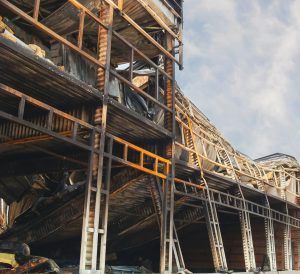 Direct physical damage to a building is only one part of a commercial claim. Business interruption coverage can pay for lost income when a covered event forces a shutdown or major slowdown. That coverage often contains conditions, such as a requirement that the slowdown occurred due to direct physical damage and not from a general downturn in the local economy. A property claims lawyer who understands financial records will work with accountants or bookkeepers to tie lost sales and additional expenses back to the event in a manner that aligns with the policy language.
Leased commercial spaces bring another layer of complexity. Many Tampa landlords must coordinate property damage claims with tenants who carry their own coverage for improvements, trade fixtures, and business personal property. Leases often define who is responsible for insuring which items and who controls the claim. When language is unclear, insurers sometimes use that confusion to delay or deny payment while landlords and tenants argue over who is responsible. A clear plan that lines up the lease obligations with each policy’s coverage can simplify those disputes.
Lenders also hold a seat at the table. Mortgage or security agreements typically require specific types of coverage and grant the lender rights as an additional insured or mortgagee. Checks for commercial losses may be made payable to both the owner and the lender, and carriers sometimes insist on lender consent before releasing funds. An effective claim strategy will account for loan covenants, reserve requirements, and any deadlines imposed by the lender for repair or replacement, ensuring that insurance delays do not risk default.
How Kuhn Raslavich, P.A. Builds a Strong Claim
The team at Kuhn Raslavich, P.A. has years of experience handling commercial property damage claims. We study the policy language, the building’s damage, and Florida’s insurance statutes together, then map out a strategy that maximizes the claim’s value.
Our claim preparation starts with collecting evidence. We gather repair estimates, engineer opinions when needed, code citations, and financial records, then organize them so that each item connects to specific policy provisions. Adjusters often rely on quick visual inspections and generic estimating software. Our approach counters those shortcuts by presenting detailed scopes of work, clear photos, and timelines that show how the damage occurred and why the claimed repairs are necessary and covered under the policy.
Commercial policyholders also benefit from our understanding of Florida claim-handling rules and dispute tools. We evaluate whether appraisal, mediation, or direct litigation will best serve a given Tampa business, and we use the state’s statutes on notice, deadlines, and interest to hold carriers accountable when they stall or underpay. When informal efforts are unsuccessful, we are prepared to file a lawsuit and pursue the case through the court system. We do so with the ultimate goal of restoring the business to stable operations as soon as possible.
When to Call a Tampa Commercial Property Damage Claim Attorney
Certain warning signs suggest that a Tampa business should not try to handle a commercial loss alone. A claim that has dragged on for months without a clear approval or denial, repeated requests for the same documents, or inspection reports that seem to ignore obvious damage often signal that the carrier is testing the limits of the policyholder’s patience. Coverage letters that quote long stretches of policy language without tying those words to the actual damage also indicate that the insurer may be laying the groundwork for a partial denial.
Tampa business owners and property managers do not need to put up with these tactics. A call to Kuhn Raslavich, P.A., after the first lowball payment or confusing coverage letter can protect important rights under Florida law and reduce the chances of missing strict notice or lawsuit deadlines. A Tampa commercial property damage claim attorney with our firm will push the carrier to honor its contract. Use our online form or call 877-352-7767 to schedule a free consultation and learn more about how we can help.
Working With Kuhn Raslavich Day To Day
Files move when everyone knows what happens next. Kuhn Raslavich will establish a calendar for inspections, mitigation, build-back steps, and carrier checkpoints, then communicate in writing to ensure timelines are easily verifiable. Vendors will receive guidance on the documentation carriers expect, which reduces questions and surprise denials. One of our attorneys will translate policy language into tasks, such as photographing details, capturing moisture readings, and saving invoices, so the record answers predictable objections before they arise.
Transparency is one of the many reasons clients trust our firm. You will know where the file stands, what the carrier requested, and what comes next. Each submission will serve a defined purpose rather than a “data dump.”
Frequently Asked Questions
What are the key deadlines for filing a commercial property insurance claim in Florida?
Florida law generally requires policyholders to provide notice of a property claim within one year of the date of loss. Supplemental claims must be filed within 18 months of the date of loss, and the general statute of limitations for filing a lawsuit for a breach of contract is five years from the loss date.
What types of coverage are typically included in a Florida commercial property policy?
Coverage usually includes the structure (building coverage), business personal property (furniture, equipment, inventory), and business income and extra expense coverage for lost profits or temporary costs. Ordinance or law coverage for building code upgrades may also be included.
When should a business call a commercial property damage claim attorney?
You should call a commercial property damage claim attorney when a claim has stalled for months, the carrier repeatedly requests the same documents, inspection reports ignore obvious damage, or you receive a lowball payment or confusing coverage letter.
Reasons To Call Kuhn Raslavich
If you have suffered property damage as a result of water damage, fire, hail, or hurricane, CALL KUHN RASLAVICH FIRST…not your insurance carrier. Kuhn Raslavich charges no fees unless you get paid! We will deal with the insurance company on your behalf so you do not have to worry about setting up a claim or getting paid adequately. As an illustration of why hiring Kuhn Raslavich would be beneficial, consider this common occurrence:
- A hurricane badly damages your home.
- You call your insurance carrier who sends out one of their own adjusters to estimate the amount of damage.
- You accept the amount estimated by the insurance carrier, not knowing that it is extremely undervalued because the insurance company is trying to pay the least amount possible to settle your claim.
- As a result, you do not have enough money to repair your home properly.
We will come to your home and estimate the true value of the damage, which is often much greater than what the insurance company has determined. We will then gather all necessary paperwork and submit the claim to your insurance company. Once submitted, we help you along step by step and negotiate the claim in an effort to maximize your recovery.
Since filing a homeowner’s insurance claim is not a common occurrence, many homeowners do not know where to start. Many believe that their insurance company works for them, and is looking out for their best interest; however, insurers DO NOT represent homeowners and ARE NOT looking out for their best interest. Insurers are FOR PROFIT CORPORATIONS that are trying to pay the least amount possible to resolve claims.