


Experienced Hail Storm Damage Claim Attorneys on Florida's Gulf Coast
Tampa hailstorms can damage shingles, crack tiles, dent metal, and cause water to seep into ceilings and walls. When an insurance adjuster treats that damage as “minor” or blames wear and tear, a Tampa hail damage attorney can become an important part of protecting your home and your budget in the months after the storm.
Many Tampa homeowners only learn how their policy treats hail after a denial or a low offer arrives in the mail. The insurance claims lawyers at Kuhn Raslavich, P.A. have years of experience helping clients involved in property insurance disputes.
We understand how Florida statutes, policy language, and claim deadlines work together in real hail cases. Our team will review your facts, policy, and Florida law to develop a strategy that aligns with your goals, not the carrier’s.
Hail Damage Coverage in Florida Homeowners Policies
Many Florida homeowners policies list hail and windstorms as covered perils, but the fine print decides how that protection works. Policy language often distinguishes between hurricane wind and non-hurricane wind, as well as hail. If hail is associated with a named storm, the hurricane deductible and related rules may apply.
Percentage deductibles are based on the insured value of the home, while the hurricane deductible applies only once each calendar year. A property insurance lawyer will work through those sections and compare them to the weather records for your loss date.
Many Tampa roofs also have age or condition limits written into the policy. Some forms only pay “actual cash value” on older roofs, which means the carrier subtracts depreciation. Others limit certain roof materials or cap coverage unless building codes require replacement. An insurance claim attorney will review declarations, endorsements, and any roof schedule to understand how your carrier will try to apply these limits.
What Hail Adjusters Look For
Hail does not always leave big, obvious craters in a roof. On shingle roofs, hail can dislodge granules and compromise seals, allowing future rain to push water beneath the surface. Tile roofs can develop small cracks that spread over time, while metal roofs may exhibit dents that appear cosmetic but still impact performance and value. A careful property claim lawyer will collect documentation that shows how these marks shorten the roofing system’s service life.
Carriers often send field adjusters or engineers who focus on alternative explanations. Reports might blame “mechanical damage,” old wear and tear, prior repairs, or “no functional damage,” even when leaks follow the storm. An insurance claim attorney with our firm will compare those opinions to photographs, expert reports, and weather data to separate pre-existing conditions from new hail damage.
Insurers also look closely at maintenance. Missing shingles, old sealant, and prior patch jobs give adjusters reasons to reduce payments. A Tampa policyholder who understands this focus can plan ahead by gathering contractor records, maintenance invoices, and clear photographs that show the property’s condition shortly before the storm. Your property insurance lawyer will weave that history into the claim narrative so the carrier sees more than a snapshot in time.
Building a Strong Hail Damage Claim File
A strong claim file supports both negotiation and later dispute processes. Florida’s statutes on claim timing, mediation, and suits give structure to that file. However, the daily work starts with basic documents that many homeowners can gather long before anyone mentions court.
Key items usually include:
- Clear, dated photos or videos showing roof surfaces, gutters, downspouts, windows, and any interior staining or bubbling on ceilings and walls.
- Detailed repair estimates or contractor proposals that tie specific line items to hail damage and local code requirements.
- Receipts for temporary repairs, tarping, or dry-out work are also helpful, as long as they include dates and describe the work performed.
A homeowner’s personal notes about phone calls, emails, and site visits can fill in the gaps in an insurer’s claim log. An insurance dispute attorney will assemble these pieces into a single, organized package that tells the story of your loss in a way adjusters must address.
When a carrier questions the cause or scope of hail damage, additional material may become important. That list can include weather reports, building code sections, engineering opinions, or prior inspection reports from home purchases or refinance appraisals. A property damage lawyer will decide what level of detail fits your goals and budget, then request or develop supporting documents as needed.
Common Insurance Company Arguments After Hailstorms
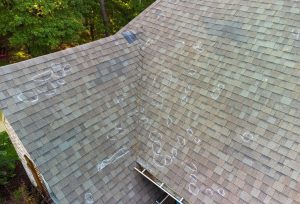 Insurance companies rarely say “no” without giving reasons. Understanding common arguments helps Tampa homeowners prepare responses before letters arrive. One pattern involves pointing to cosmetic damage. A carrier might accept that hail left marks on shingles or metal but claim there is no effect on performance, so only limited repair is needed. A property insurance attorney will counter by explaining how bruised matting, broken seals, and the loss of protective coating can lead to leaks and early failure.
Another frequent argument focuses on matching. An adjuster might agree to replace a few slopes or damaged sections but refuse to address color or style differences between old and new areas. Florida building codes and policy language sometimes support broader replacement when repairs would create a patchwork appearance. A hail claim lawyer will use specific code sections and policy provisions to prevent your roof from having that patchwork look.
Insurers also rely on policy exclusions whenever possible. References to “wear and tear,” faulty design, or poor maintenance usually appear in denial letters. An insurance dispute attorney will read those citations closely, compare them to your facts, and highlight language that preserves coverage even when wear and tear exists in part of the system. Careful analysis reduces the chance that a broad exclusion wipes out a valid hail claim.
Mediation, Appraisal, and Litigation in Florida Hail Claims
Florida property statutes acknowledge that many claims will ultimately result in disagreement. Section 627.7015 establishes an alternative procedure that enables policyholders and insurers to utilize a state-run mediation program for various residential property disputes, including storm-related losses.
A trained mediator helps both sides talk about coverage, scope, and price in a structured setting. Your hail claim lawyer will prepare you for that session, organize your documents, and present your position clearly.
Some policies also include appraisal provisions for disputes over the value of a loss. The appraisal process typically involves each side picking an appraiser, and those appraisers choose an umpire if needed. The panel then decides the amount of loss. Not only will a seasoned property insurance attorney review your policy to see how appraisal works, they will also examine what deadlines apply, and whether appraisal makes sense for your hail claim.
If negotiations, mediation, or appraisal do not resolve the dispute, Florida law allows policyholders to file a civil action under statutes that govern suits arising under property insurance policies. Litigation can involve detailed discovery, depositions, and motion practice.
A homeowner thinking about that path benefits from understanding the potential recovery. Your insurance dispute lawyer will outline a clear plan that fits your situation.
How Kuhn Raslavich, P.A. Can Help
Choosing a Tampa hail damage attorney means choosing a guide who understands both Florida property law and the tactics insurers use when hail strikes roofs across Hillsborough County. Kuhn Raslavich, P.A. focuses on first-party property insurance disputes, so we regularly see how carriers respond to hail, wind, and hurricane claims across the state. A property insurance lawyer with our firm will review your declarations, endorsements, and claim history to spot coverage paths that a quick adjuster visit might miss.
Our results speak for themselves. When you turn to us, we will start by listening to your goals. Some Tampa homeowners want a prompt, fair settlement so repairs can move forward without a long fight. Others feel that a denial or a deeply unfair offer deserves a firmer response. An insurance claim attorney with Kuhn Raslavich, P.A. will outline options that range from continued negotiation to mediation, appraisal, or legal action, then help you weigh the risks and benefits of each path.
Clear communication also matters after a hailstorm. We know that policyholders often feel left in the dark while adjusters, estimators, and desk reviewers trade messages behind the scenes. A property damage lawyer on our team will keep you updated on key deadlines, explain new letters as they arrive, and make sure responses reach the insurer on time. That steady attention helps prevent missed opportunities and reinforces the carrier’s obligation to follow Florida’s claim-handling rules.
Turn to a Tampa Hail Damage Attorney With Our Firm
Kuhn Raslavich, P.A. builds claim files with organized estimates, code support, and clear references to Florida statutes. We do so because carriers pay closer attention when facts and law line up in one neat package.
A Tampa hail damage attorney from our firm will advocate for full, lawful benefits, enabling you to repair or replace your property and move forward with confidence. Whether the next storm brings small ice pellets or a severe hail core over Tampa, knowing where to turn for help can make the recovery process far less stressful. Ask for a free case assessment by contacting us online or calling 877-352-7767.
Working With Kuhn Raslavich Day To Day
Files move when everyone knows what happens next. Kuhn Raslavich will establish a calendar for inspections, mitigation, build-back steps, and carrier checkpoints, then communicate in writing to ensure timelines are easily verifiable. Vendors will receive guidance on the documentation carriers expect, which reduces questions and surprise denials. One of our attorneys will translate policy language into tasks, such as photographing details, capturing moisture readings, and saving invoices, so the record answers predictable objections before they arise.
Transparency is one of the many reasons clients trust our firm. You will know where the file stands, what the carrier requested, and what comes next. Each submission will serve a defined purpose rather than a “data dump.”
Frequently Asked Questions
What does a Florida homeowners policy cover for hail damage?
Most Florida homeowners policies list hail as a covered peril, but the fine print determines the extent of protection. Policy language often outlines different deductibles (like a hurricane deductible vs. an all other perils deductible) and may include limits based on the roof’s age or condition, sometimes only paying “actual cash value” (ACV), which subtracts depreciation.
What happens if the carrier underprices roof work?
Scope and price can be challenged with slope-specific photos, uplift tests, and code triggers that require more than patching. Your attorney will push for an appraisal or litigation if negotiation cannot resolve the issue.
What are common insurance company arguments to deny or underpay a hail claim?
Insurance carriers frequently point to “cosmetic damage,” claiming the marks do not affect performance and only limited repair is needed. Other arguments focus on “matching” issues between old and new materials, or relying on policy exclusions like “wear and tear,” faulty design, or poor maintenance to reduce payments or deny the claim.
What kind of documentation helps build a strong hail damage claim file?
A strong claim file should include clear, dated photos or videos of the damaged roof, gutters, and any interior staining. It is also essential to gather detailed repair estimates, receipts for temporary repairs (tarping or dry-out work), and a homeowner’s personal notes about phone calls and site visits.
Reasons To Call Kuhn Raslavich
If you have suffered property damage as a result of water damage, fire, hail, or hurricane, CALL KUHN RASLAVICH FIRST…not your insurance carrier. Kuhn Raslavich charges no fees unless you get paid! We will deal with the insurance company on your behalf so you do not have to worry about setting up a claim or getting paid adequately. As an illustration of why hiring Kuhn Raslavich would be beneficial, consider this common occurrence:
- A hurricane badly damages your home.
- You call your insurance carrier who sends out one of their own adjusters to estimate the amount of damage.
- You accept the amount estimated by the insurance carrier, not knowing that it is extremely undervalued because the insurance company is trying to pay the least amount possible to settle your claim.
- As a result, you do not have enough money to repair your home properly.
We will come to your home and estimate the true value of the damage, which is often much greater than what the insurance company has determined. We will then gather all necessary paperwork and submit the claim to your insurance company. Once submitted, we help you along step by step and negotiate the claim in an effort to maximize your recovery.
Since filing a homeowner’s insurance claim is not a common occurrence, many homeowners do not know where to start. Many believe that their insurance company works for them, and is looking out for their best interest; however, insurers DO NOT represent homeowners and ARE NOT looking out for their best interest. Insurers are FOR PROFIT CORPORATIONS that are trying to pay the least amount possible to resolve claims.