


Experienced Property Damage Claim Attorneys on Florida's Gulf Coast
Storms, plumbing leaks, and roof damage can disrupt daily life across Hillsborough County. When a storm or leak harms your home, you may feel unsure how to handle Tampa property damage insurance claims and nervous about missing a step that could cost you money your family needs. Clear information about the claim process and Florida insurance rules can make the next decisions much less stressful.
Families in the Tampa area often learn about insurance fine print only after they see water stains, roof shingles in the yard, or warped flooring. Understanding how claims work, what Florida law requires from you, and how to respond when an insurer pushes back, helps you protect your home and your peace of mind. If you face an insurance dispute, the insurance claim attorneys at Kuhn Raslavich, P.A. are standing by to help.
Understanding Tampa Property Damage Insurance Claims
Property insurance in Tampa is meant to pay for sudden damage to your home and other structures on your lot. Policies commonly cover wind, hail, water from burst pipes, and damage from fallen trees. Long-term wear and tear, as well as neglected maintenance, are typically not covered under the policy. The difference between sudden damage and long-term problems can decide whether an insurer pays a claim or denies it.
Most policies require you to report a loss as soon as you notice damage. Insurers then assign an adjuster who inspects the property, reviews photos and repair estimates, and compares everything to the policy language. The adjuster’s report often drives the first payment offer, so the quality of the information you provide can affect the outcome of Tampa property damage insurance claims.
Florida law also gives you important rights. For example, section 627.70132 of the Florida Statutes sets strict deadlines for reporting property insurance claims related to hurricanes and other events, with a one-year period for new claims and additional limits for supplemental claims. Missing these deadlines can give the insurer a strong defense, even when the damage is obvious. A skilled property insurance lawyer will help you understand these time limits and keep your claim moving before any legal doors close.
Common Types of Property Damage in Tampa
Tampa homes face a mix of coastal and suburban risks. Strong storms roll in from the Gulf, while daily wear and tear take a toll on pipes, roofs, and electrical systems. Insurers often agree that a covered event happened but disagree about the amount of damage or which parts of the loss the policy will cover.
Wind and Rain
Wind and rain from tropical storms can remove shingles, drive water under roof coverings, and push debris through windows and doors. Even when a storm does not reach hurricane strength, it can still cause significant damage to insulation, drywall, and flooring. If water reaches electrical systems, repairs become more complex and more expensive, which can lead to larger disputes about the cost of restoring the home.
Plumbing Issues
Plumbing failures create a different set of problems. A sudden pipe break under a slab or behind a wall typically qualifies as a covered event. On the other hand, slow leaks that persist for months often fall under policy exclusions for long-term seepage or neglected maintenance.
A policy may cover the cost of tearing out and replacing parts of the structure to reach the broken pipe, yet still deny payment for the plumbing repair itself, depending on how the contract is written. Your property damage attorney will review this language with you and explain what the policy really promises to cover.
How Florida Rules Affect Property Damage Claims
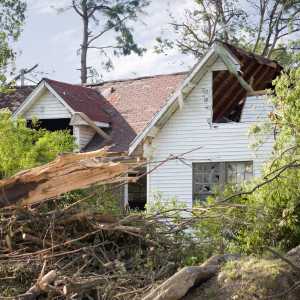 State lawmakers have changed property insurance rules several times in recent years. These changes affect deadlines, notice rules, and how disputes move forward. Keeping track of these rules helps you avoid mistakes that insurers could use as excuses to deny payment.
Florida law sets time limits for you, just like it sets rules for insurance companies. If you do not understand those time limits, you may feel like you are doing everything right, only for the calendar to take away your options quietly. Clear knowledge of these rules gives you better control over both the claim and any future lawsuit.
Under Florida law, policyholders must file suit within a specific number of years from the date of loss, not from the date the insurer made its final decision. Waiting too long while you negotiate back and forth can risk losing your right to bring the case to court. Our legal representatives will explain how that deadline applies to your loss date and help you determine when a lawsuit is a viable option.
It’s the Date of the Loss, Not When You Filed the Claim
It’s important to emphasize the “date of loss” rule, because it often surprises people. Many homeowners assume the clock starts when the claim is denied or when talks break down. But Florida’s rule focuses on when the damage happened instead. If you keep hoping the company will “do the right thing,” you could drift past the lawsuit deadline without noticing. Careful tracking of the loss date and every extension you give to the insurer helps you avoid this problem.
Changing Rules on Assignments of Benefits and Public Adjusters
Florida rules also limit certain practices that were once common in property claims, such as assignment of benefits agreements that gave contractors direct control over the claim. Recent laws prohibit many of these contracts and place extra rules on public adjusters and others who act on your behalf. These changes aim to reduce fraud and inflated claims, but they can leave honest homeowners unsure whom they can trust. Guidance from a property claim lawyer will help you choose a path that stays within the law while still protecting your interests.
In the past, many contractors offered to “handle everything” if you signed paperwork that assigned your claim rights to them. Lawmakers saw that some of these arrangements led to inflated bills, aggressive lawsuits, and higher premiums for everyone. Now, the rules around those agreements are tighter, and some forms of assignment are banned under newer policies. You can still work with contractors and public adjusters, but the details matter.
When you review any service contract after a loss, you should look for language that talks about “benefits,” “rights,” or “proceeds of the policy.” Those phrases can signal that someone is trying to step into your shoes under the insurance contract. Asking questions before you sign, and having a property claim attorney by your side, helps you avoid deals that could weaken your control over the claim.
Attorney’s Fees, Bad Faith, and Claim Strategy
Some Florida regulations also impact how attorneys’ fees and bad-faith claims are handled in property insurance disputes. Recent reforms reduced situations where insurers must pay the policyholder’s legal fees, which means your strategy must be carefully planned from the start. Understanding the cost and benefit of each step helps you avoid surprises during a long dispute.
Florida once allowed many policyholders to recover their reasonable attorney’s fees if they won a dispute over coverage or payment. Insurers argued that this rule encouraged too many lawsuits, and lawmakers responded with changes that limit when those fees are available. Now, you and your attorney must think early about how costs will be covered, how strong your claim appears, and whether other tools, such as appraisal or mediation, might reach a fair result without full-blown litigation.
Bad-faith claims, which accuse an insurer of handling a claim unfairly or dishonestly, also follow specific rules. These claims typically arise after a dispute over coverage or payment has been resolved, rather than at the very beginning of a case. A careful property insurance lawyer will look for patterns such as repeated delays, unreasonable document requests, or low offers with no clear explanation. Those patterns can shape the long-term strategy, even if the first goal is simply to get your home repaired.
Why Kuhn Raslavich, P.A. is a Strong Ally
Complex property damage disputes can feel personal because they involve the place where you live, work, and raise your family. Kuhn Raslavich, P.A. focuses on standing up for policyholders when insurers delay, underpay, or deny valid claims. We understand how stress builds when repairs stall and contractors wait for decisions that do not arrive on time.
Clients who work with Kuhn Raslavich, P.A. receive careful attention to policy language, damage reports, and Florida insurance rules. Our team handles disputes involving homes, condos, and commercial properties, so we know how local weather patterns affect both damage and insurance company responses. A policyholder lawyer from our firm will review prior claim decisions, engineering reports, and photographs to identify gaps in the insurer’s position and prepare a strategy aimed at achieving a fair result.
See Why People Turn to Us When They Have Problems With Their Tampa Property Damage Insurance Claims
Kuhn Raslavich, P.A. approaches each claim with the goal of securing repairs and completing them as quickly as possible, while still protecting long-term rights under the policy. People dealing with Tampa property damage insurance claims do not have to accept confusing letters or lowball offers without question. With the right guidance, a homeowner can turn a frustrating dispute into a structured process aimed at restoring the property and resolving the claim on fair terms for their family. Contact us online for a free case evaluation or call 877-352-7767.
Working With Kuhn Raslavich Day To Day
Files move when everyone knows what happens next. Kuhn Raslavich will establish a calendar for inspections, mitigation, build-back steps, and carrier checkpoints, then communicate in writing to ensure timelines are easily verifiable. Vendors will receive guidance on the documentation carriers expect, which reduces questions and surprise denials. One of our attorneys will translate policy language into tasks, such as photographing details, capturing moisture readings, and saving invoices, so the record answers predictable objections before they arise.
Transparency is one of the many reasons clients trust our firm. You will know where the file stands, what the carrier requested, and what comes next. Each submission will serve a defined purpose rather than a “data dump.”
Frequently Asked Questions
How do Florida’s deadlines affect my property damage insurance claim?
Florida law sets strict deadlines for property insurance claims, with new claims related to hurricanes and other events having a one-year period for reporting. Crucially, the statute of limitations for bringing a lawsuit over a dispute is counted from the date of loss, not the date the insurer makes its final decision.
What is the difference between covered damage and excluded damage under a policy?
Property insurance is meant to pay for sudden damage to your home, such as from wind, hail, or water from burst pipes. However, long-term wear and tear or damage from neglected maintenance are typically not covered.
Can a new Florida law affect my ability to assign claim benefits to a contractor?
Yes, recent Florida rules limit practices like assignment of benefits (AOB) agreements that once gave contractors direct control over a claim. The laws aim to reduce fraud, making it important to review service contracts for language about “benefits,” “rights,” or “proceeds of the policy”.
Reasons To Call Kuhn Raslavich
If you have suffered property damage as a result of water damage, fire, hail, or hurricane, CALL KUHN RASLAVICH FIRST…not your insurance carrier. Kuhn Raslavich charges no fees unless you get paid! We will deal with the insurance company on your behalf so you do not have to worry about setting up a claim or getting paid adequately. As an illustration of why hiring Kuhn Raslavich would be beneficial, consider this common occurrence:
- A hurricane badly damages your home.
- You call your insurance carrier who sends out one of their own adjusters to estimate the amount of damage.
- You accept the amount estimated by the insurance carrier, not knowing that it is extremely undervalued because the insurance company is trying to pay the least amount possible to settle your claim.
- As a result, you do not have enough money to repair your home properly.
We will come to your home and estimate the true value of the damage, which is often much greater than what the insurance company has determined. We will then gather all necessary paperwork and submit the claim to your insurance company. Once submitted, we help you along step by step and negotiate the claim in an effort to maximize your recovery.
Since filing a homeowner’s insurance claim is not a common occurrence, many homeowners do not know where to start. Many believe that their insurance company works for them, and is looking out for their best interest; however, insurers DO NOT represent homeowners and ARE NOT looking out for their best interest. Insurers are FOR PROFIT CORPORATIONS that are trying to pay the least amount possible to resolve claims.