


Experienced Hurricane Damage Claims Attorneys Servicing Florida's Gulf Coast
Hurricane losses in Tampa can feel confusing, especially when the damage looks different from house to house. A Tampa hurricane damage attorney can bring order to that confusion by lining up the facts, the policy language, and the deadlines that apply to Florida claims. Tampa has not suffered a direct hit from a major hurricane (Category 3 or higher) since 1921, yet several close calls in recent years still caused serious damage across the area through wind, rain, and storm surge.
Insurance companies often move quickly after a storm, but their first decision is not always the right one. The Kuhn Raslavich legal team will review the policy, identify the coverages that fit the loss, and build a claim file that makes it harder to dismiss the damage as minor or unrelated. Clear communication matters, and our team will keep the process focused on proof, timelines, and the full cost to repair your property.
How a Tampa Hurricane Damage Lawyer Helps With Florida Insurance Claims
Hurricane claims usually turn on details, not slogans. A Tampa hurricane damage attorney will review your declarations page, endorsements, and deductibles, then match those terms to the damage your home actually suffered. Coverage questions often involve roofs, water intrusion, exterior openings, detached structures, and interior finishes, so the work starts with a careful review of what the policy covers and excludes.
A claim can stall when the insurer leans on a narrow inspection or a low estimate. Legal help from a Tampa hurricane damage lawyer will bring structure to the proof by organizing photos, repair scopes, pricing, and timelines in a way that fits the carrier’s rules. Kuhn Raslavich will coordinate the records, track responses, and push back when the insurer tries to treat storm damage like normal wear and tear.
Disputes do not always require a courtroom fight to move forward. Florida law provides a mediation option for many property insurance disputes, and proper preparation can turn a stalled file into a genuine settlement discussion.
Why Hurricane Damage Still Hits Tampa Hard
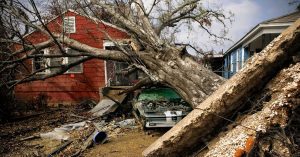 Geography creates a unique risk in the Tampa Bay area. Storm surge can push water into neighborhoods well inland, and wind can tear at roof edges, soffits, and exterior openings that were already under stress from heat and age. A near miss can still deliver intense bands of weather that damage shingles, break seals around vents, and drive water into places where it does not belong.
Hurricane history also explains why “no direct hit” does not mean “no hurricane damage.” The region’s last major direct strike is often tied to the 1921 storm, but modern systems have still produced damaging conditions near Tampa even when the center stayed away. Many recent storms have impacted Florida’s west coast, with surge and wind effects extending into the Tampa Bay area.
Insurance carriers sometimes argue that “minor” wind cannot cause “major” interior damage. An attorney will connect the dots by showing how wind creates openings, how rain follows those openings, and how moisture spreads into drywall, insulation, flooring, and cabinets over the days that follow. Evidence matters most when the damage develops over time rather than appearing as a single dramatic event.
What Policies Often Cover After a Hurricane
Most homeowners’ policies in Florida focus on wind-driven damage, not flood damage. Coverage usually applies to direct physical loss from covered perils, including wind damage to roofs, siding, windows, and exterior doors. Interior damage often occurs when water enters through a storm-created opening. Personal property coverage can also apply when contents get soaked, contaminated, or destroyed.
Deductibles can shape the entire claim. Hurricane deductibles often differ from standard deductibles, and the declarations page typically explains how the insurer calculates the amount. A realistic evaluation has to account for the deductible up front so you can judge whether the carrier’s estimate truly covers the repairs you need.
Flood remains the biggest coverage gap for many Tampa households. Standard homeowners’ insurance typically does not cover flood damage, which is usually a separate policy that can cover the building, the contents, or both.
Common Reasons Insurers Underpay Hurricane Claims
Carriers often reduce payments by narrowing the scope of what they think needs repair. A low scope can omit flashing, underlayment, vents, gutters, fencing, screens, and interior finishes affected by moisture. Underpayment can also occur when the insurer prices the job using labor or materials that do not reflect current market conditions in the Tampa area after a major storm.
Causation disputes also show up quickly. The insurer may argue that roof problems existed before the storm, that cracks result from the house settling, or that staining results from long-term humidity rather than hurricane-driven water intrusion. Strong claims answer those arguments with dates, weather data, photos taken over time, and repair opinions that explain what changed as a result of the storm.
Communication problems can create another layer of delay. The carrier may request documents in pieces, change the assigned adjuster, or ask for repeated inspections that do not add value. Florida law imposes certain claim-handling duties on insurers, and tracking those deadlines can help keep the file from drifting.
How Florida Deadlines and Rules Can Impact Your Claim
Late notice can become the insurer’s favorite defense. For hurricane and windstorm property claims, Florida law sets deadlines for giving notice of a claim and for filing certain follow-up claims. Missing those deadlines can bar recovery even when the damage is real.
Claim handling rules also shape what happens after notice goes in. Florida statutes establish timeframes for acknowledging communications, beginning investigations upon receipt of a proof of loss, and conducting inspections in certain situations. Knowing those rules helps you measure whether the carrier is moving the claim forward or simply running out the clock.
A dispute does not always end the process. A Tampa hurricane damage attorney will evaluate options. These options include a renewed demand with stronger documentation, a mediation request where available, or other policy-based dispute steps that can resolve the dollar gap without leaving the homeowner stuck.
Building a Clear Claim File That Holds Up
Proof wins hurricane claims. The goal is not a mountain of paperwork, but a clean record that shows when damage appeared, how it progressed, and what it costs to restore the home to a safe condition. Consistency matters because insurers look for gaps, and gaps give them room to argue that damage came from something else. A strong file also keeps the claim moving when the carrier asks the same questions repeatedly or changes its position later.
A Tampa hurricane damage lawyer will build a file that reads like a timeline rather than a pile of attachments. Dates, labels, and simple explanations help each document support the next, so the story stays steady from the first notice of loss through the final repair invoice. Documents that often carry real weight include the following items:
- Written communications with the insurer, adjusters, and vendors, including emails, letters, and claim notes that show what was requested, what was provided, and when decisions were made.
- Receipts for emergency mitigation and temporary repair work, such as tarping, water extraction, drying equipment, or boarding, to show the steps taken to prevent the loss from getting worse.
- Moisture readings or drying logs when water intrusion occurred, since damp insulation and hidden wet areas often explain why repairs cost more than early inspections suggest.
- Invoices for damaged contents and proof of replacement pricing, which help support a claim with real numbers rather than guesses.
- Photos and videos that show damage clearly and over time, including wide shots for context and close-ups for details like lifted shingles, torn flashing, staining, or warped materials.
- Repair estimates with line item scope, materials, and labor, because vague bids give the insurer room to argue about what work is truly needed.
- The full policy, including declarations and endorsements.
Strong organization also helps if the insurer changes adjusters or questions earlier findings. A detailed record can support supplemental requests when hidden damage appears during repairs, and it can also support a fair settlement discussion when the carrier’s estimate fails to match reality.
A Tampa Hurricane Damage Attorney Is Standing By to Help
If your home suffered storm-related damage, the next step should focus on proof, deadlines, and the real cost of repairs. A conversation with a Tampa hurricane damage attorney from Kuhn Raslavich will help you understand what the policy covers, what the insurer should pay, and how to push the claim toward a fair result under Florida law. You can schedule a free case evaluation by calling 813-422-7782 or contacting us online.
How Kuhn Raslavich Builds Leverage in South Florida
Documentation wins claims. Kuhn Raslavich will gather pre-loss photos, permit histories, moisture readings, expert reports, and line-item estimates to tell a coherent story grounded in the policy’s language. Our team can convert that story into a demand that anticipates the carrier’s pushbacks.
Process control creates pressure. Our firm will calendar statutory deadlines, request claim file notes when available, and maintain written follow-ups on a predictable schedule. We will tie every delay to the statute and remind the carrier of its obligations under Florida law.
Results come from preparation. When the file provides credible support for cause, scope, and price, carriers have fewer excuses to cut or delay payment. A prepared attorney with our firm will present that support at the appraisal or in court if negotiation fails.
Frequently Asked Questions
How long should a hurricane claim take?
Florida law includes claim-handling timeframes, but timelines can still vary depending on inspections, document requests, and the scope of repairs.
Do roof leaks always count as storm damage?
Coverage often depends on whether the storm created an opening that allowed water inside and how the policy treats wear and tear versus sudden damage. The facts and documentation usually decide the outcome.
Can wind and flood damage be handled together?
Separate policies often apply, and the proof must separate wind-driven loss from flood-related loss when both occur.
Reasons To Call Kuhn Raslavich
If you have suffered property damage as a result of water damage, fire, hail, or hurricane, CALL KUHN RASLAVICH FIRST…not your insurance carrier. Kuhn Raslavich charges no fees unless you get paid! We will deal with the insurance company on your behalf so you do not have to worry about setting up a claim or getting paid adequately. As an illustration of why hiring Kuhn Raslavich would be beneficial, consider this common occurrence:
- A hurricane badly damages your home.
- You call your insurance carrier who sends out one of their own adjusters to estimate the amount of damage.
- You accept the amount estimated by the insurance carrier, not knowing that it is extremely undervalued because the insurance company is trying to pay the least amount possible to settle your claim.
- As a result, you do not have enough money to repair your home properly.
We will come to your home and estimate the true value of the damage, which is often much greater than what the insurance company has determined. We will then gather all necessary paperwork and submit the claim to your insurance company. Once submitted, we help you along step by step and negotiate the claim in an effort to maximize your recovery.
Since filing a homeowner’s insurance claim is not a common occurrence, many homeowners do not know where to start. Many believe that their insurance company works for them, and is looking out for their best interest; however, insurers DO NOT represent homeowners and ARE NOT looking out for their best interest. Insurers are FOR PROFIT CORPORATIONS that are trying to pay the least amount possible to resolve claims.